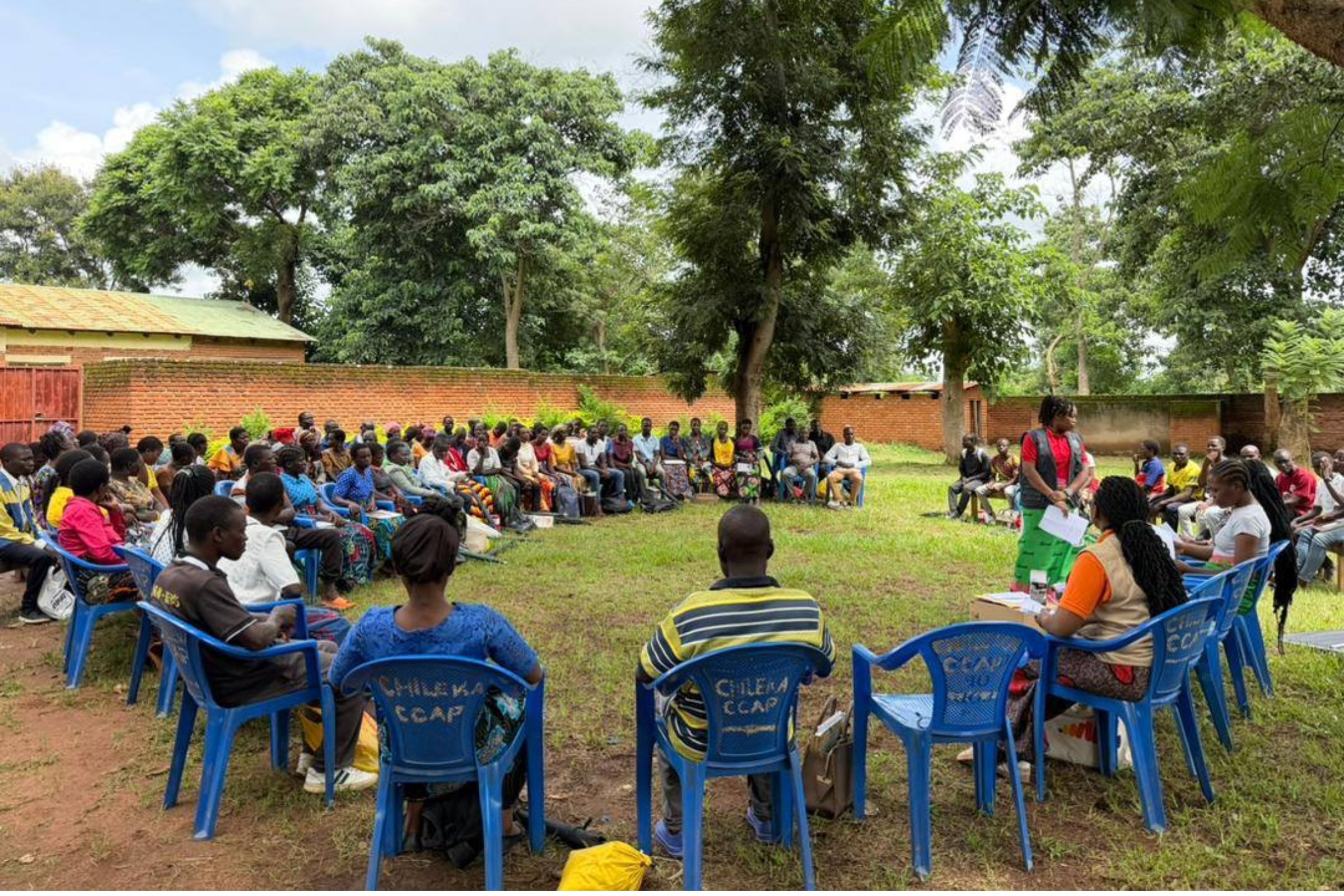

Community groups are not just social spaces. In Malawi, they are often where economic opportunity begins.
Village Savings and Loan Associations — VSLAs for short — are common across Lilongwe and beyond. Members pool small amounts of money, save together, and take turns accessing loans. For women with limited income, a VSLA can be the difference between having options and having none.
But in the communities where WAG Disability Rights works, a consistent and troubling pattern has emerged. Women and girls with disabilities want to join these groups. Many cannot.
Not because they are excluded by name. But because they have no money to contribute.
What WAG Found on the Ground
This was one of the clearest lessons from WAG’s 2024 programme work. In the areas where PKN operates — rural and peri-urban communities across Lilongwe and Balaka — the project team found a significant number of women and girls with disabilities who were unable to join existing community groups due to financial constraints.
The barrier is straightforward and brutal in equal measure. VSLAs require regular contributions from members. If you cannot contribute, you cannot join. If you cannot join, you cannot save. If you cannot save, you cannot access a loan. And if you cannot access a loan, it is very hard to start or grow any kind of livelihood.
For women with disabilities, the path to that starting contribution is often blocked before it begins. They are less likely to be in paid work. They are more likely to depend on family members for basic needs. In some cases, the economic marginalisation is compounded by the fact that families invest less in girls with disabilities — less education, less vocational training, fewer connections to income-generating opportunities.
The result is a cycle that is hard to break without deliberate intervention.
Why Community Groups Matter Beyond Money
VSLAs and similar groups are not only about savings. They are spaces where women build relationships, share information, support each other, and develop confidence.
WAG’s work across EmpowerHer and PKN shows consistently that peer connection is one of the most powerful tools for change. When women with disabilities meet regularly, share experiences, and build solidarity, they become stronger advocates — for themselves and for each other.
Being locked out of community groups therefore means being locked out of more than money. It means missing the peer networks that help women understand their rights, report violations, and access services. It means being isolated at exactly the point when connection would matter most.
The Economic Picture Behind the Barrier
To understand why this problem is so persistent, it helps to look at the broader economic context.
Malawi is one of the poorest countries in the world. In 2024, the country experienced significant inflation and ongoing currency devaluation — challenges that WAG itself felt in the implementation of its programmes, as donor funds bought less and transport costs rose. For families already living close to the margin, those pressures push women with disabilities further behind.
Women with disabilities in Malawi are also disproportionately likely to live in households that are poor even by local standards. Physical inaccessibility limits their ability to work. Social stigma limits the jobs available to them. Discrimination in education limits their qualifications.
A VSLA contribution that is small for one woman can be entirely out of reach for another.
What WAG Is Recommending
WAG’s 2024 lessons learned call for specific action on this issue.
The core recommendation is to integrate financial inclusion strategies into disability-focused programmes — not as an afterthought, but as a core component. Practically, this could mean several things:
- Small seed grants that give women with disabilities a starting contribution, allowing them to join existing groups without financial humiliation.
- Flexible contribution structures within VSLAs that accommodate members whose income is irregular or low.
- Disability-inclusive microfinance models that adjust repayment terms and collateral requirements.
- Stronger links between disability rights organisations and financial institutions, so that products designed for marginalised women reach women with disabilities specifically.
None of these are radical ideas. They are adaptations — small adjustments to existing models that would open a door currently closed to many women with disabilities.
The Broader Point
Financial exclusion is not a side issue in disability rights work. It is central to it.
A woman who cannot save cannot plan. A woman who cannot access credit cannot invest in herself. A woman who is economically dependent is less able to leave a violent relationship, report abuse, or advocate for her own rights.
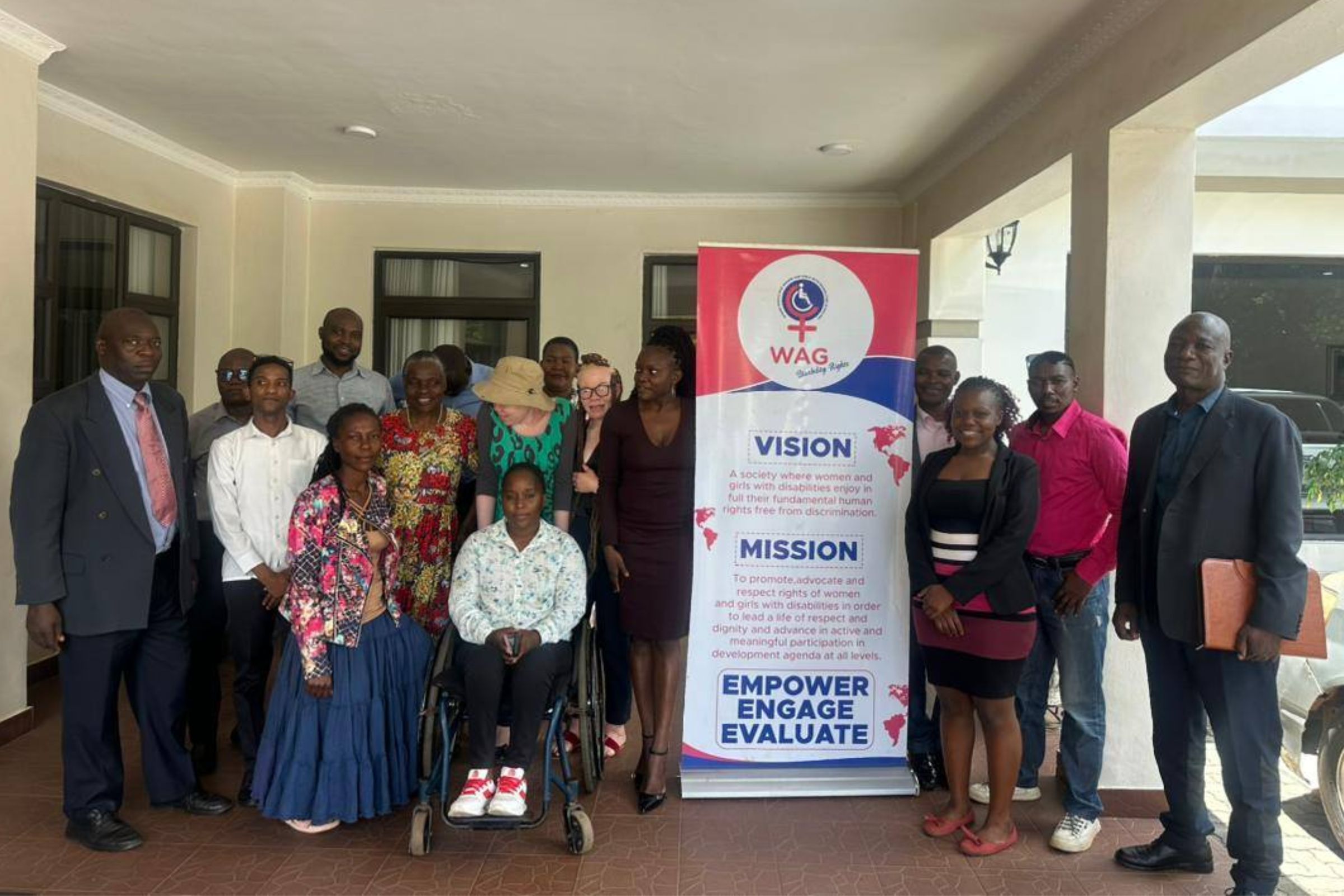
WAG’s mandate is to protect and promote the rights of women and girls with disabilities in Malawi. That mandate cannot be fulfilled without addressing the economic conditions that undermine those rights every day.
The community groups are already there. The women want to join. The task now is to remove the barriers that stop them.
WAG Disability Rights runs the PKN project in partnership with WORLEC and GENET, funded by the UK Government through FCDO. The EmpowerHer project is funded by Kynnys ry through Disability Partnership Finland.