Gender-based violence (GBV) is not just a personal problem. It is rooted in how communities think about power, gender, and who deserves protection. In Malawi, WAG Disability Rights is tackling those roots directly through a project called Pamodzi Kuthetsa Nkhanza — PKN for short.
The name means “Together to End Abuse.” That word together is key to how the project works.
What is PKN?
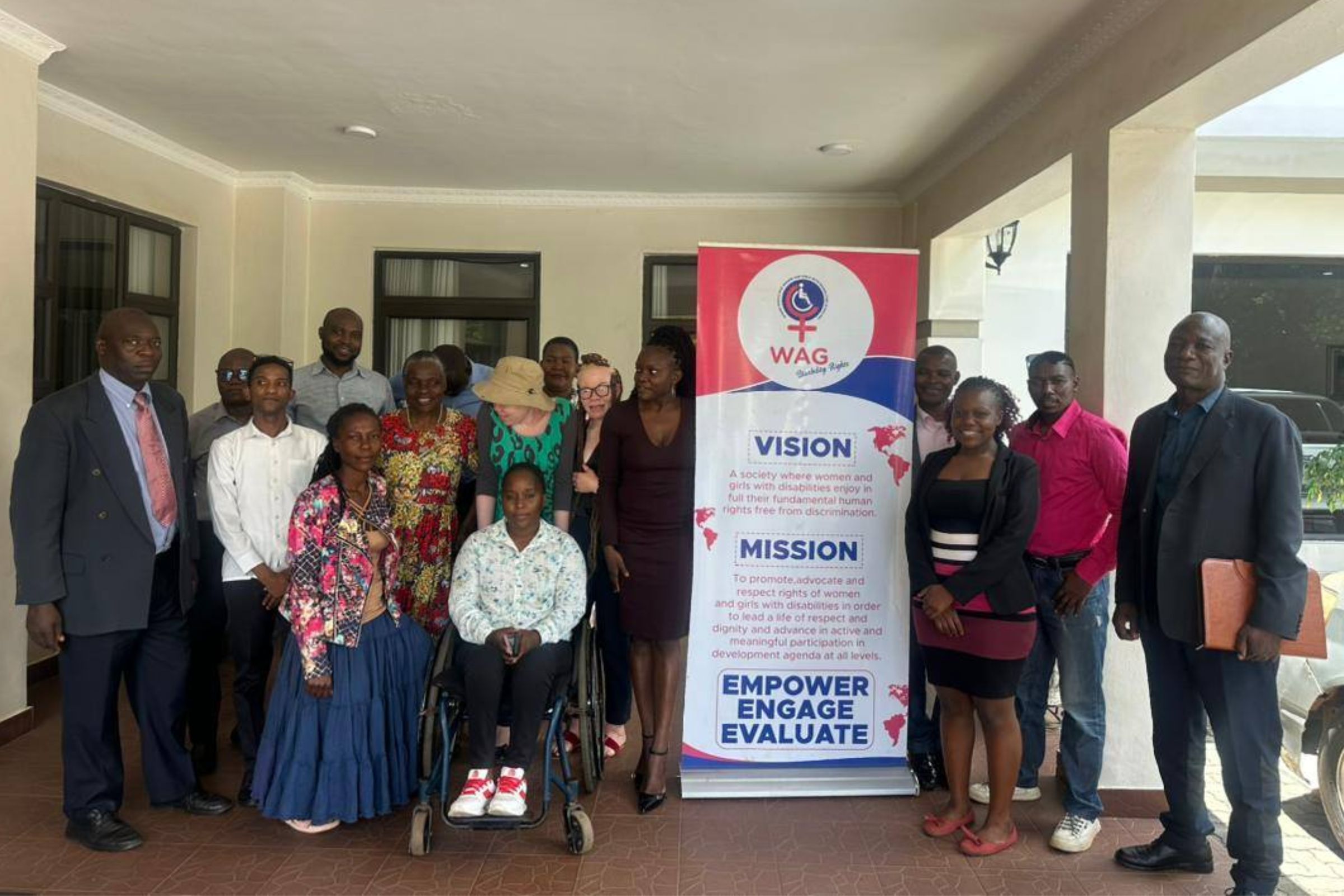
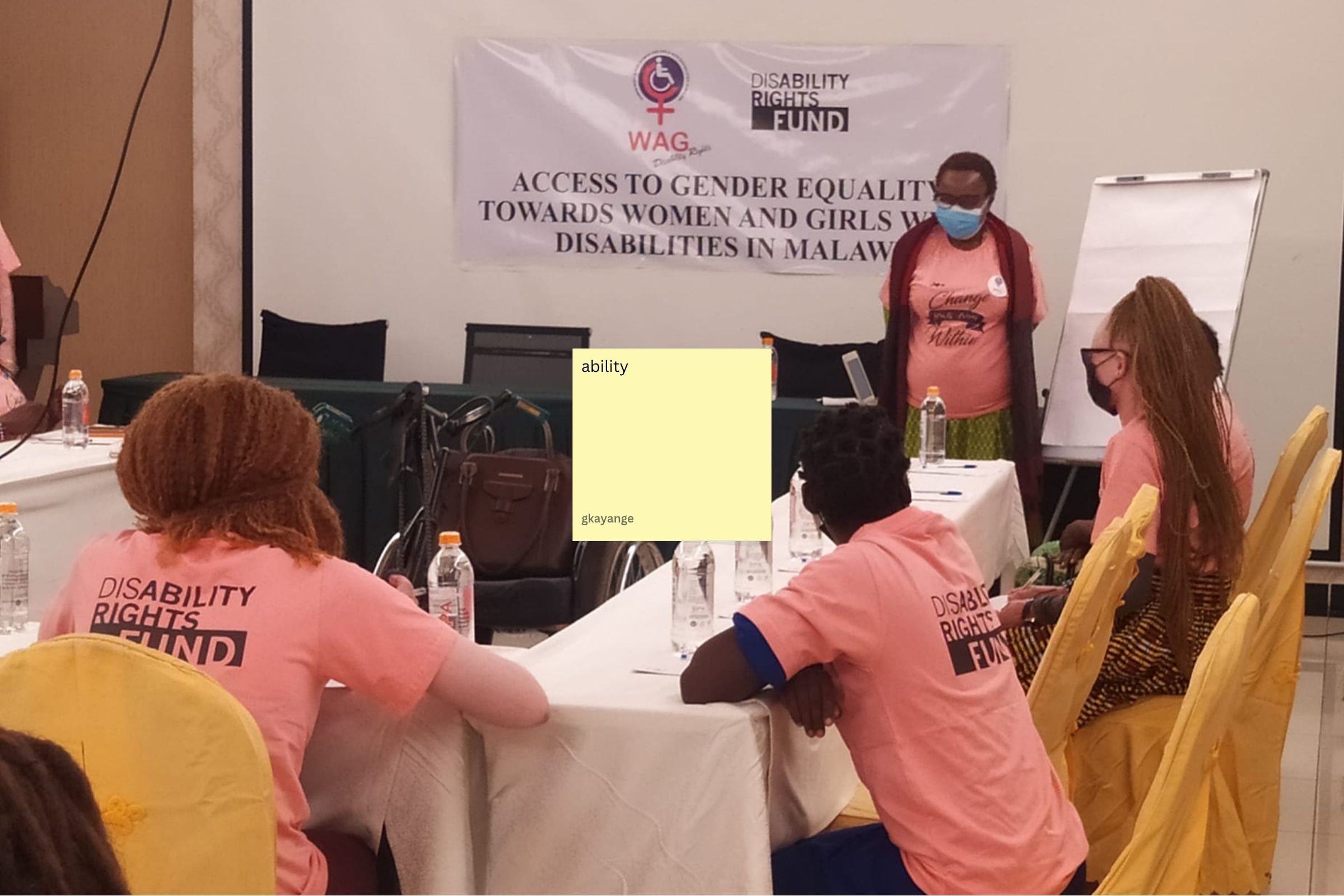
PKN is a consortium project funded by UK Aid (FCDO). WAG Disability Rights runs it alongside two partner organisations: the Women’s Legal Resource Centre (WORLEC) and the Girls Empowerment Network (GENET).
The project works in rural and peri-urban areas across Lilongwe and Balaka districts. Its main focus is intimate partner violence (IPV) — one of the most common but least-reported forms of GBV in Malawi.
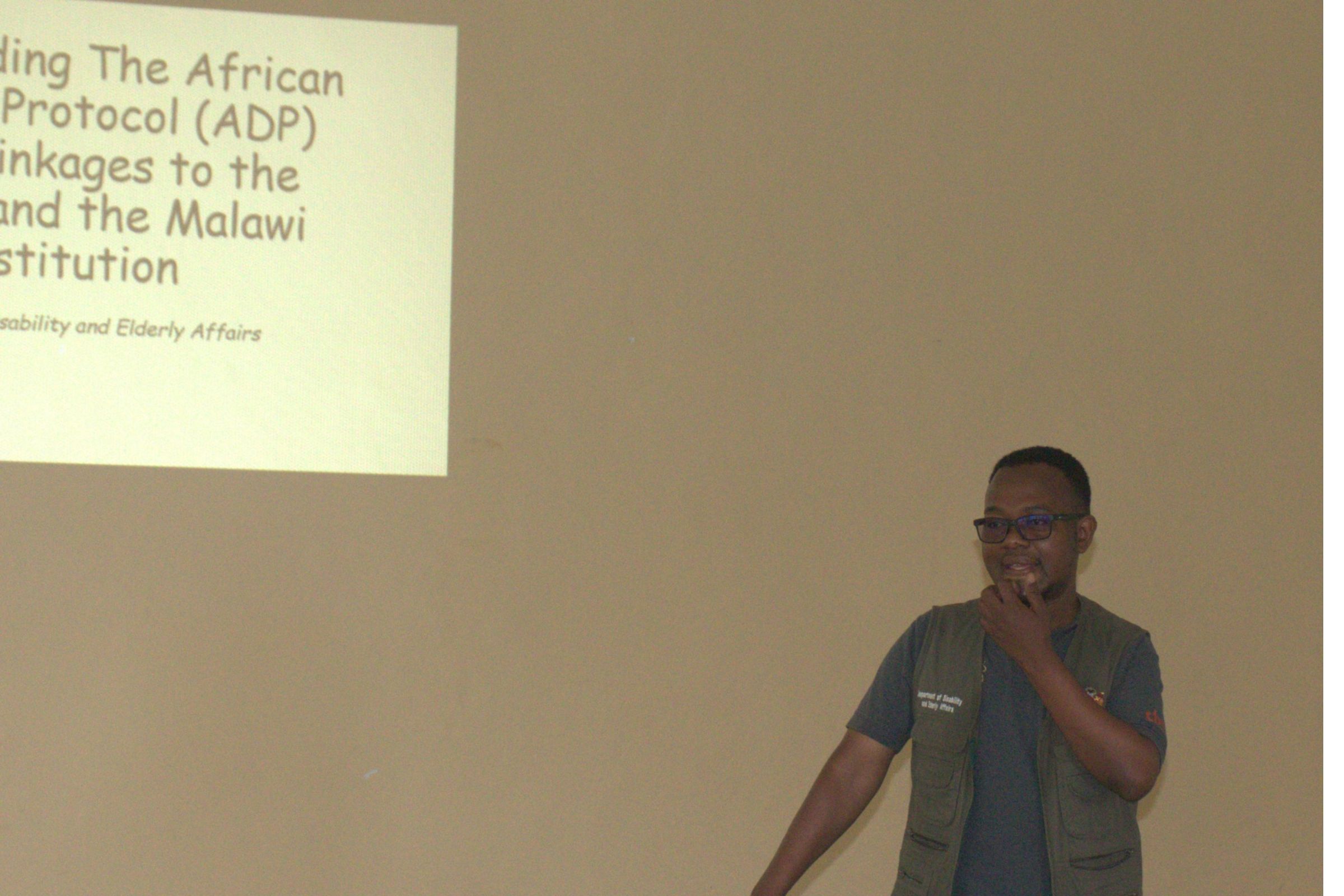
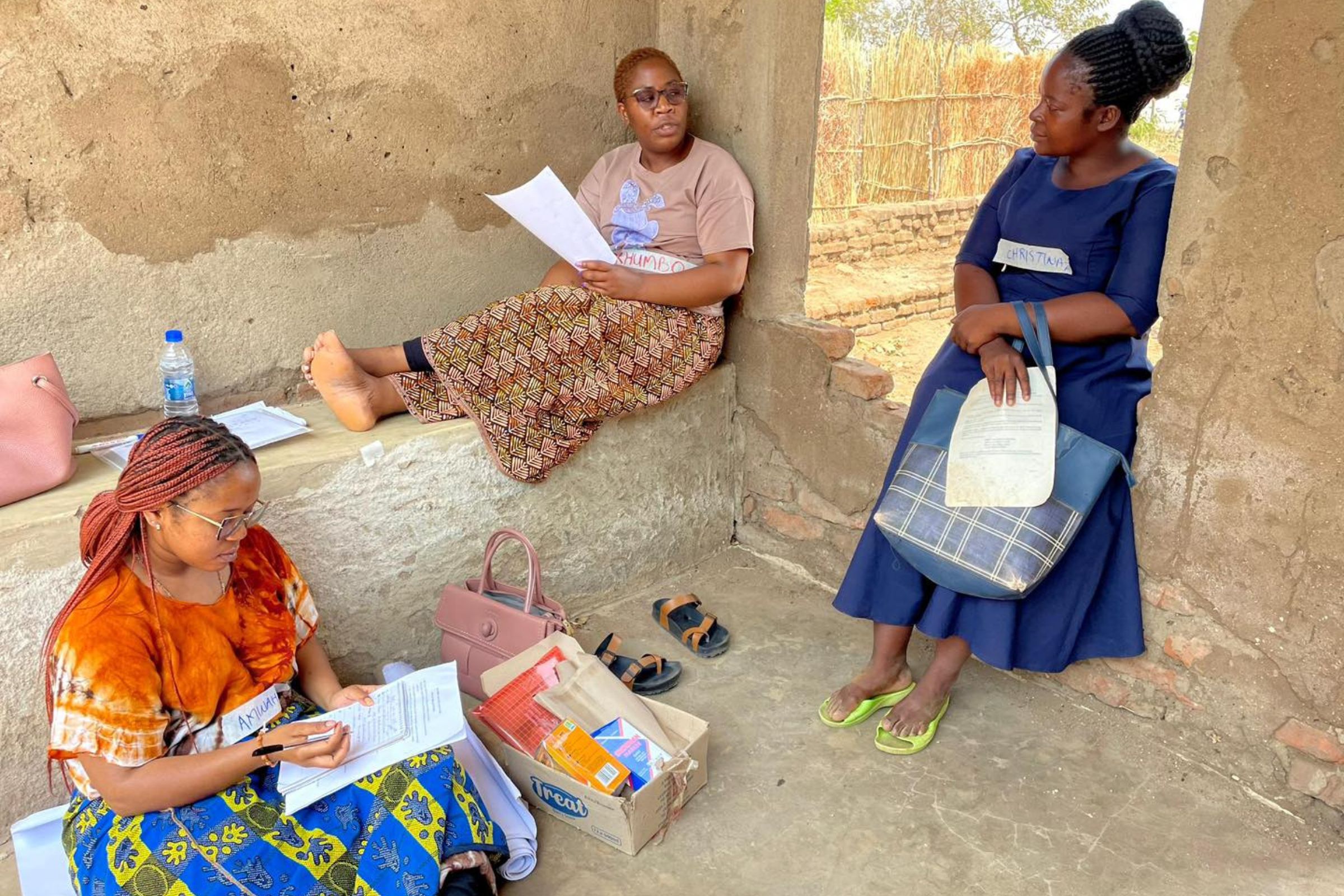
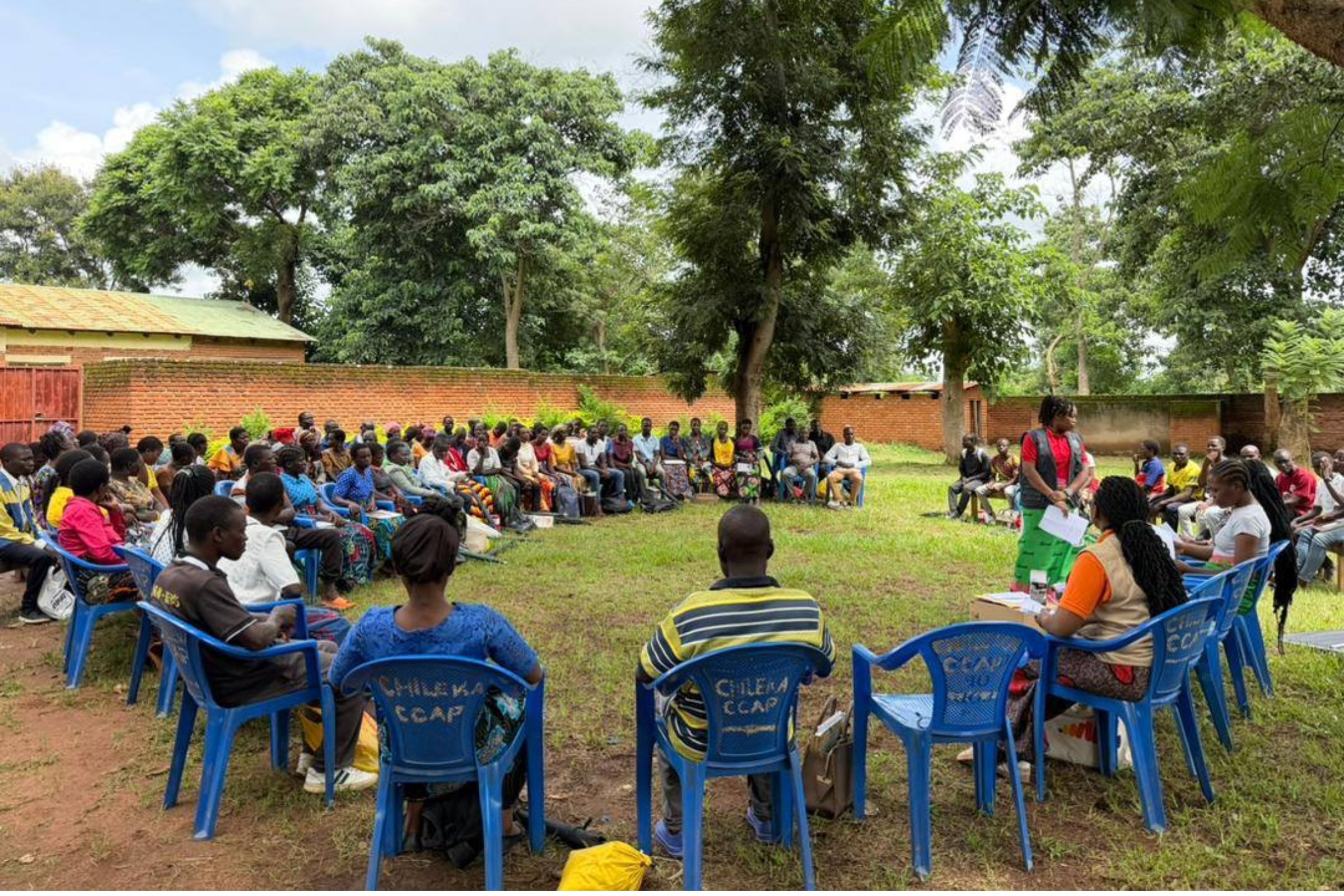
PKN does not work by telling communities what to do. It uses a method called SASA! Together, which helps people think critically about power between men and women. Alongside this, the project runs Gender Transformative Curriculum (GTC) sessions with frontline service providers, including health workers, police, teachers, and social workers. Disability inclusion is built into all GTC training modules.
What PKN Did in 2024
In 2024, PKN reached more communities than ever before. Here are the headline figures:
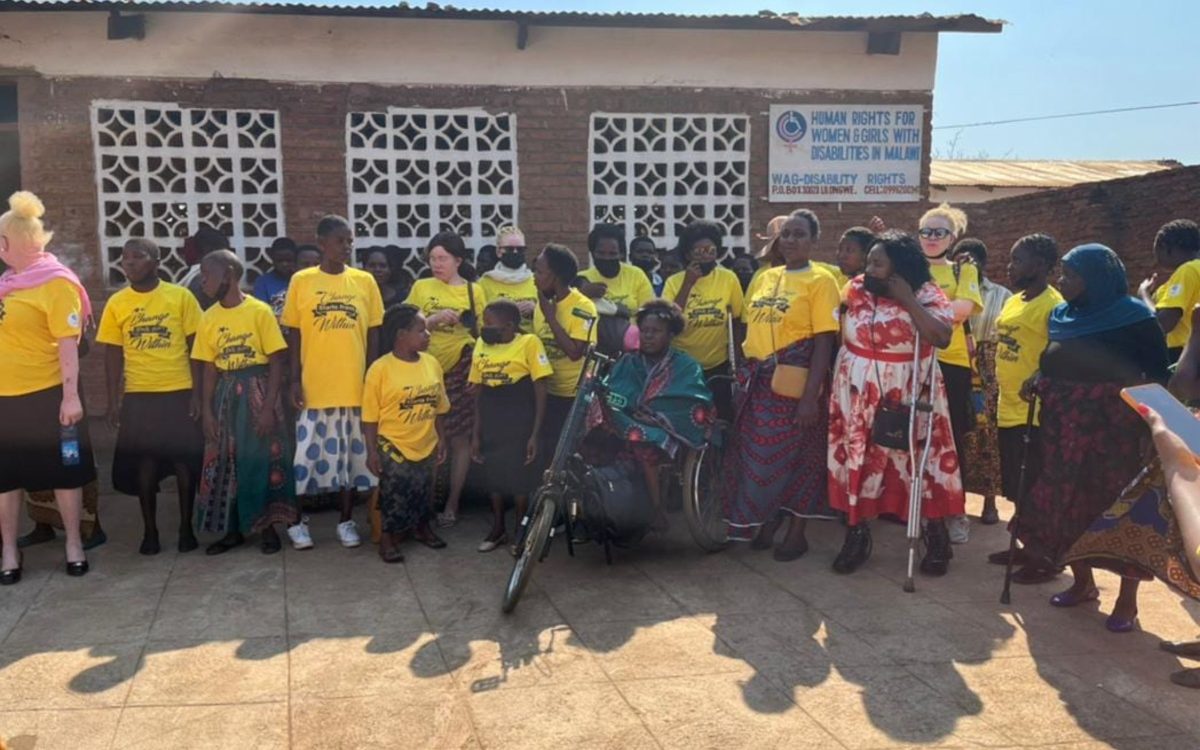
- 288 community activists trained on the SASA! Together approach.
- 125 community leaders — including traditional chiefs — trained and actively engaged.
- 350 frontline service providers trained on Gender Transformative Curriculum.
- 7 Traditional Authorities launched, covering both Lilongwe and Balaka.
- Over 14,000 people directly reached through awareness sessions and training.
- An estimated 20,000 more people reached indirectly through radio campaigns.
PKN also signed a formal agreement (MoU) with the Malawi Police Service. A media programme on GBV was produced and aired during the 16 Days of Activism Against GBV.
Voices from the Field
Numbers tell part of the story. People tell the rest.
“Before PKN, I didn’t know I had a voice. Now, I talk to other women about their rights, and even the chiefs are listening.” — Martha Banda, Community Activist, TA Kalembo.
“This programme showed me that disability does not mean silence. We also deserve safety.” — Chikondi Mbewe, GTC-trained Facilitator with visual impairment.
Chikondi’s words reflect something central to WAG’s approach. Women and girls with disabilities face extra barriers when it comes to reporting violence and getting help. PKN works to remove those barriers — in the training room and in the community.
Why Community Leaders Matter
One of the clearest lessons from 2024 is that change sticks when local leaders are part of it. Chiefs, faith leaders, and community elders carry real influence. When they speak out against GBV, people listen.
PKN invests heavily in this. Training community leaders is not a side activity — it is a core strategy. The results show it works.
What Comes Next
PKN will continue building on its 2024 gains. Plans for the coming year include expanding reach in hard-to-access areas, strengthening referral pathways for survivors, and deepening collaboration with district councils and government departments.
The goal remains the same: communities where women and girls — including those with disabilities — are safe, heard, and supported.
PKN is funded by the UK Government through the Foreign, Commonwealth & Development Office (FCDO) and implemented by WAG Disability Rights in partnership with WORLEC and GENET.