
Violence against women with disabilities in Malawi is not well understood. It is under-reported, under-researched, and often invisible in national data. WAG Disability Rights set out to change that.
In 2024, WAG partnered with SDDirect to conduct formative research into the drivers, risk factors, and barriers that shape the experience of violence for women with disabilities — and what stops them from seeking help.
Why This Research Was Needed
Programmes that address gender-based violence are often designed without women with disabilities in mind. They use communication materials that are not accessible. They hold meetings in venues that are hard to reach. They train service providers who have never considered how disability changes a woman’s experience of violence, or her ability to report it.
To design better programmes, you need better evidence. That was the starting point for this research.
How the Research Was Done
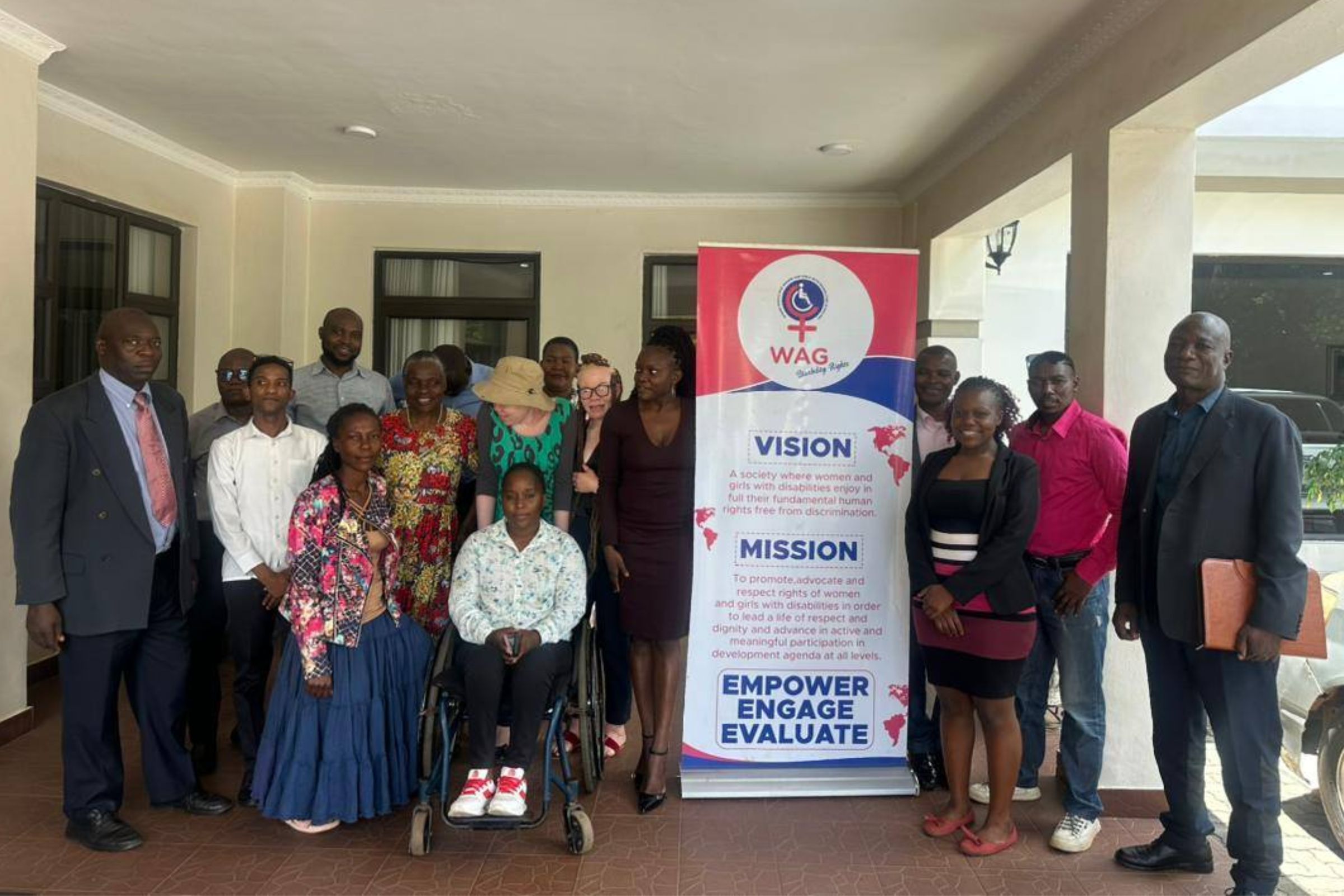
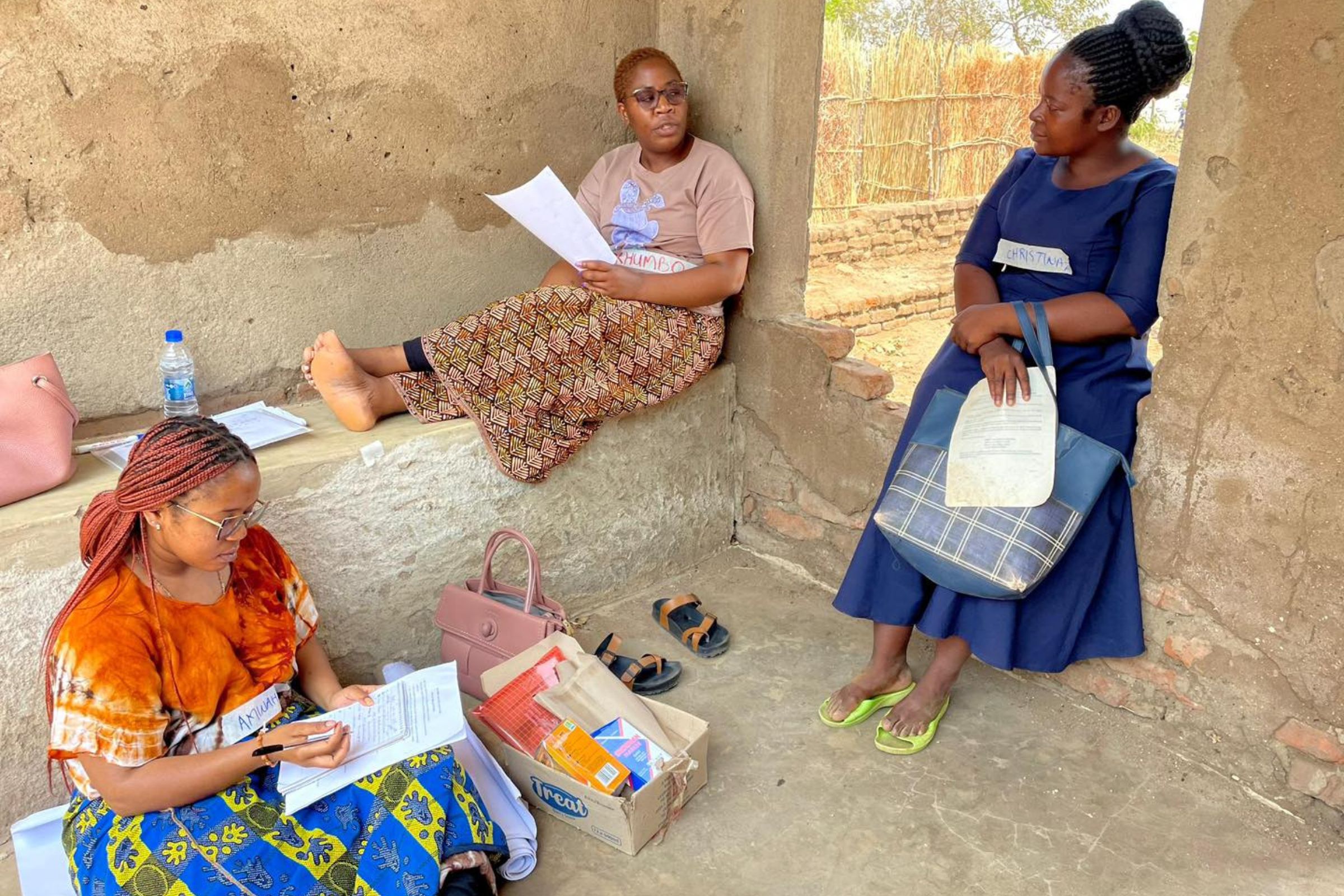
The research was led by WAG, a women-led organisation of people with disabilities. That was a deliberate choice. Research about women with disabilities should involve women with disabilities — not just as subjects, but as data collectors and research leads.
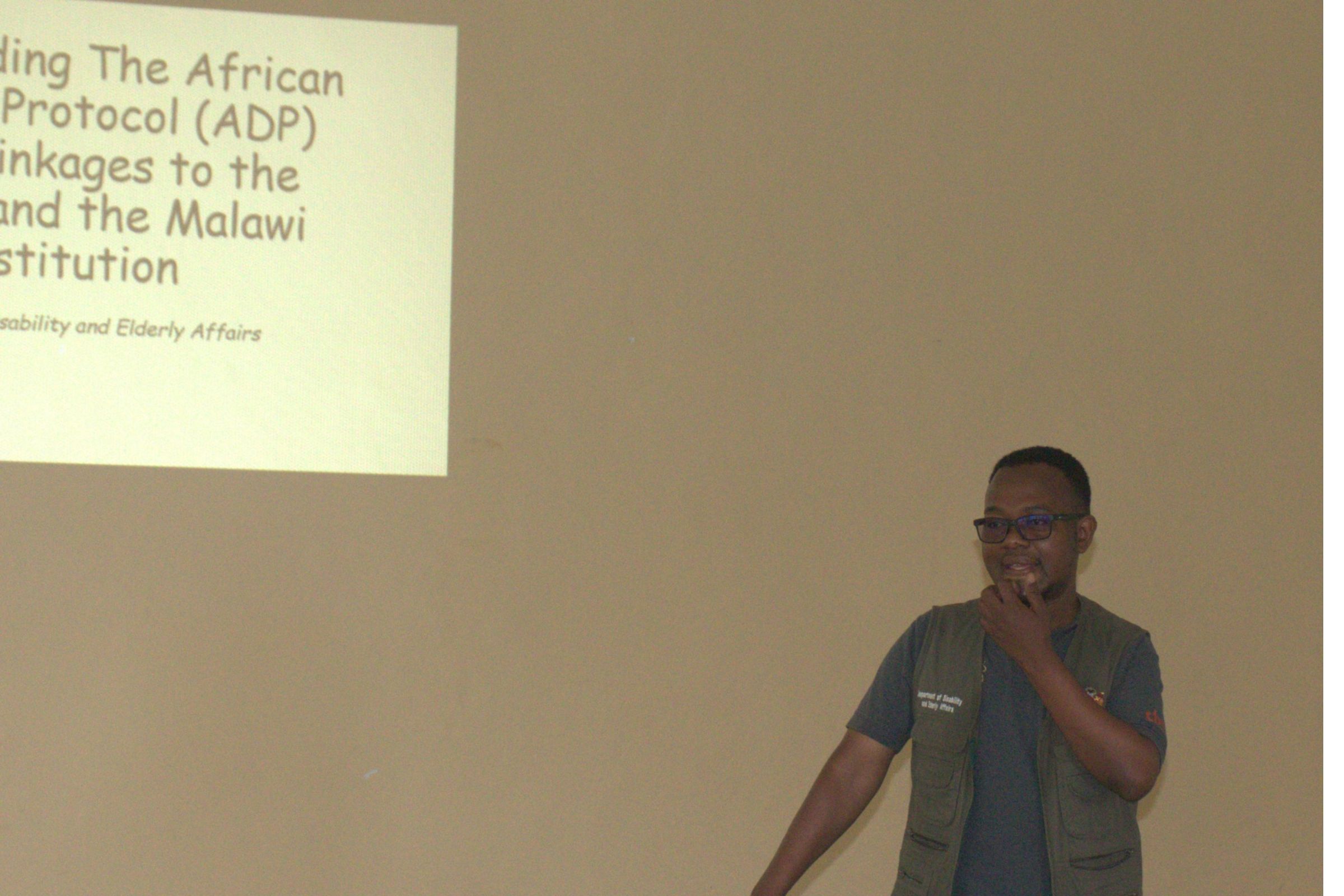
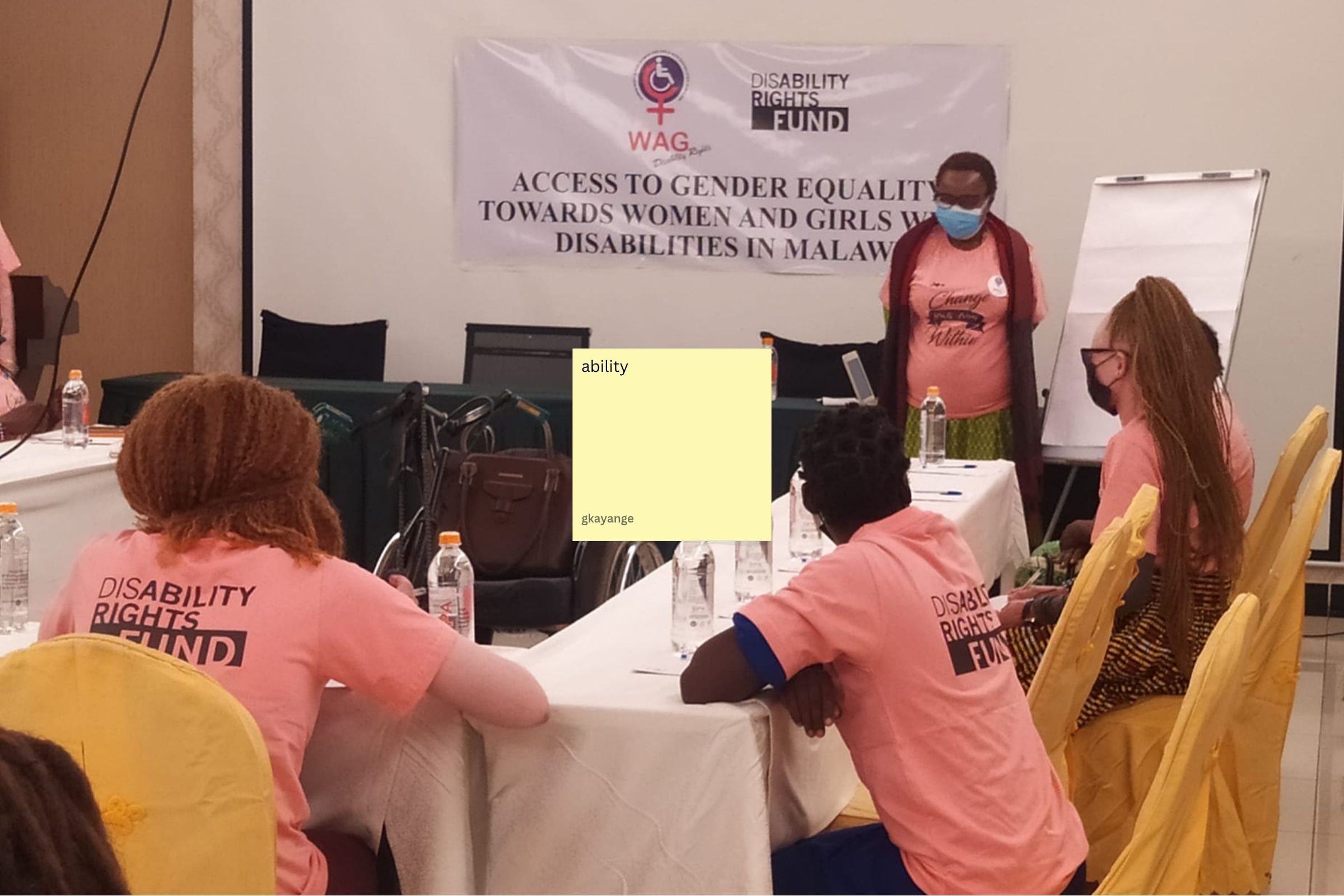
Ten data collectors were recruited and trained for the work. Eight were women. Six of those eight had disabilities of various types. Before going into communities, the team completed a full week of training covering research ethics, safeguarding, sensitive interviewing, community entry, and data collection tools.
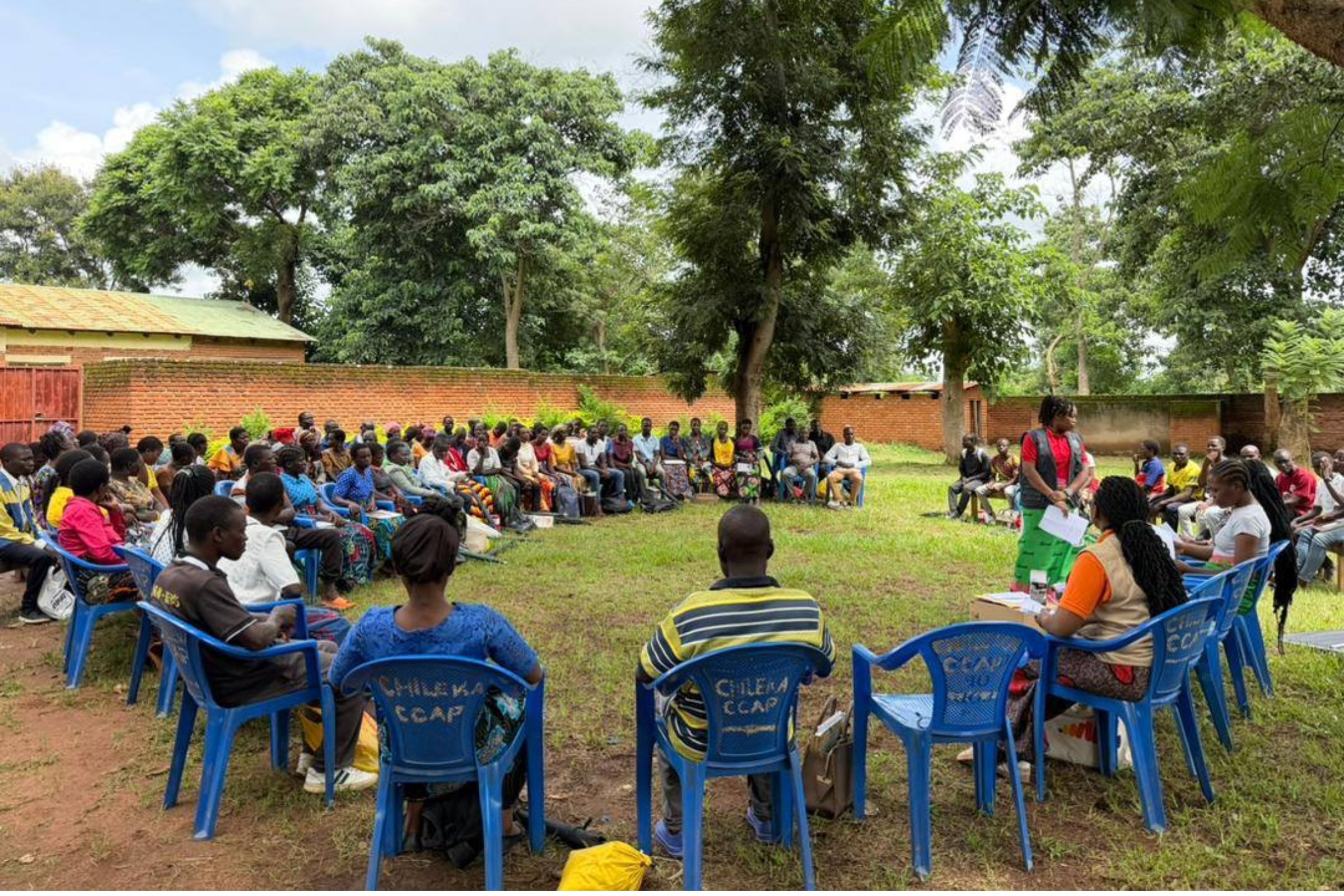
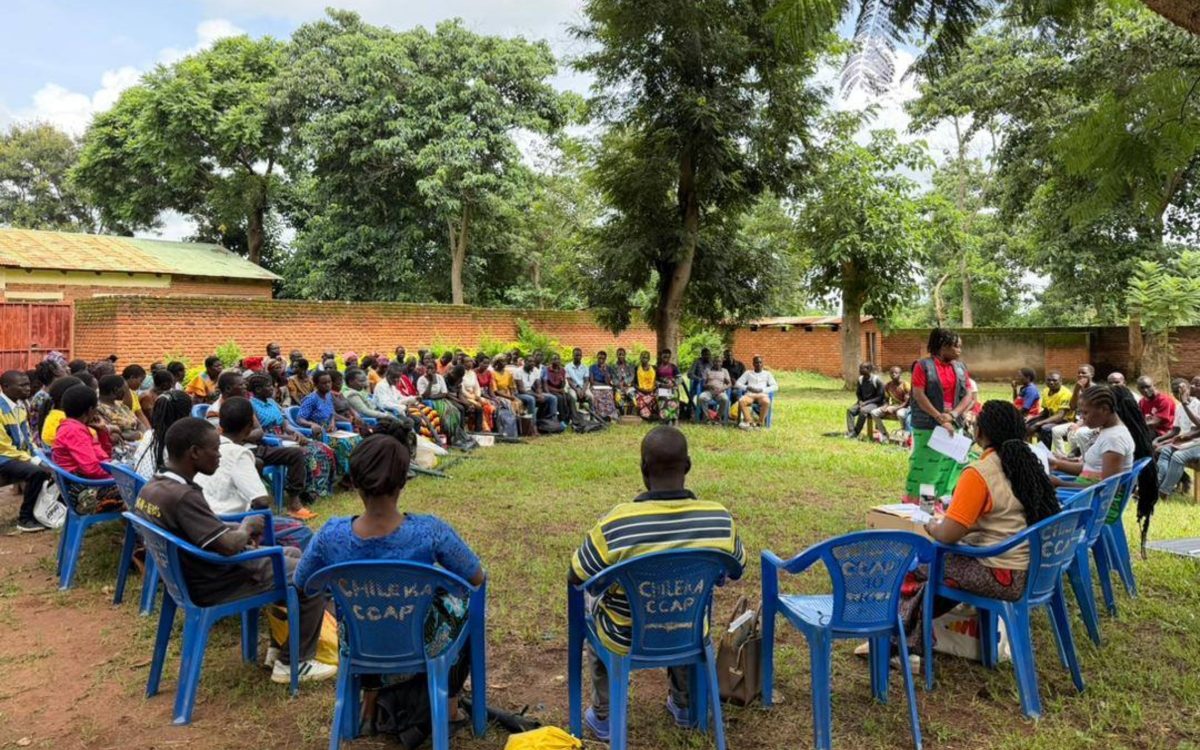
Data was collected across 16 communities in Lilongwe — 8 rural and 8 peri-urban — between May and June 2024. The communities included areas such as Area 23, Kauma, Senti, Mtandire, Kanyandure, Mutchi, and Chigwirizano, among others.
Who Was Interviewed
The research used a mix of methods to capture different perspectives:
- In-depth discussions with 20 women with disabilities who chose to take part.
- Focus group discussions with community men and women, people with disabilities, and traditional leaders.
- Key informant interviews with organisations of people with disabilities (OPDs), women’s rights organisations, health service providers, police, and community child protection workers.
In total, 142 interviews were conducted — slightly exceeding the original target of 132 to 142. The range of disability types represented among participants included physical disabilities, visual impairment, hearing impairment, albinism, and speech impairment.
What Made It Challenging
Good research is honest about its limitations. This study faced real obstacles in the field.
In some communities, data collectors were turned away multiple times due to funerals, political meetings, or resistance from community leaders. Police Victim Support Units were initially difficult to access — formal authorisation from the Inspector General of Police was required, and by the time it arrived, the data collection window was nearly closed.
In some peri-urban areas, men with disabilities left interviews early. In others, women with disabilities were not present because they had gone to the city to beg — a detail that speaks to the economic vulnerability the research was designed to understand.
Some community members, particularly women, said they did not see the benefit of taking part and left before completing the process. That response is itself a finding. It points to a trust deficit between researchers and communities that future work will need to address.
One community — Chimoka — had to be replaced entirely with a neighbouring community, Area 50, after resistance from local leaders.
Despite these challenges, the team reached all 16 communities and collected data from a wide range of respondents.
What Happens with the Findings
The data collected was transcribed, coded, and analysed by the research team. A full written report is being finalised and will be published in 2025.
The findings will directly inform how WAG and its partners design future programmes. The research was never intended as a standalone exercise. It feeds into the EmpowerHer project and WAG’s broader advocacy work — shaping training content, communication approaches, and the way services are delivered to women with disabilities across Malawi.
Why It Matters
Evidence changes things. It gives advocates a stronger argument. It challenges assumptions. It makes the invisible visible.
For too long, the specific experience of women with disabilities — how they face violence, why they stay silent, what would help them seek support — has been missing from national conversations about GBV in Malawi.
This research is a step toward filling that gap. Not just for WAG, but for every organisation working on GBV in Malawi that wants to reach women with disabilities effectively.
The full report will be available on this website when published. Watch this space.
This research was conducted by WAG Disability Rights in partnership with SDDirect, with support from the EmpowerHer project funded by Kynnys ry through Disability Partnership Finland.