
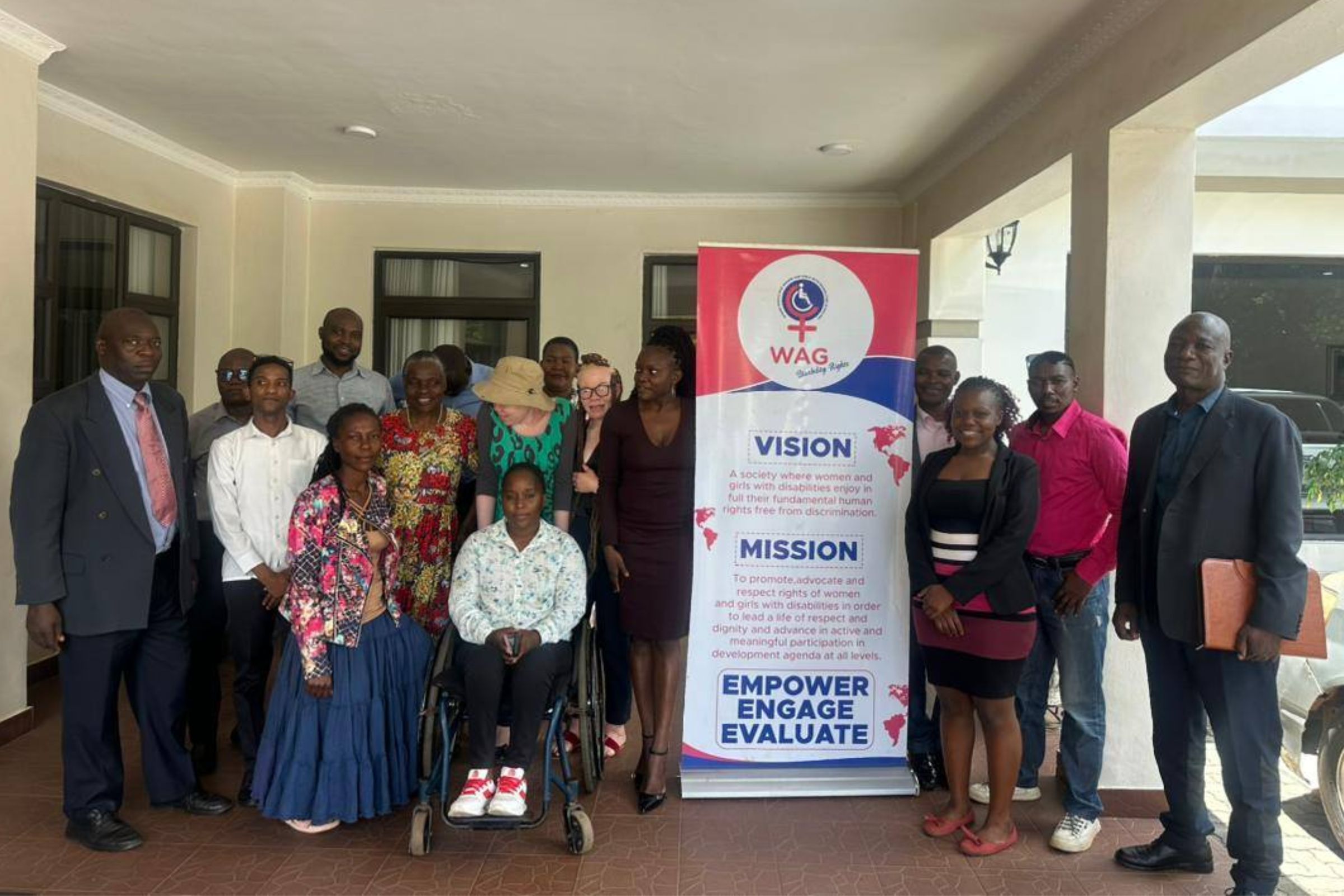
A woman with a disability walks into a health clinic. Does the nurse see her as a patient with full rights — including the right to information about her own body? Or does the nurse speak to the person who brought her, as if she cannot speak for herself?
That moment — at a clinic desk, a police counter, a social welfare office — is where rights either happen or they do not.
WAG Disability Rights focuses a significant part of its work on exactly that moment. Not by waiting for policy to change from the top, but by working directly with the people who deliver services on the ground.
Who Are Service Providers?
In the context of WAG’s work, “service providers” — or frontline service providers (FLSPs) — are the people that women and girls with disabilities are most likely to encounter when something goes wrong.
They include:
- Nurses and clinicians at health facilities.
- Police officers, particularly those in Victim Support Units.
- Child protection workers and community child protection volunteers.
- Gender officers and social welfare staff.
- Teachers and community leaders.
- Judiciary and legal aid staff.
These are not decision-makers in the traditional sense. They do not write laws or set national policy. But they implement those laws every day. Their attitudes, habits, and assumptions shape whether a woman with a disability gets help — or gets turned away.
What the Training Covered
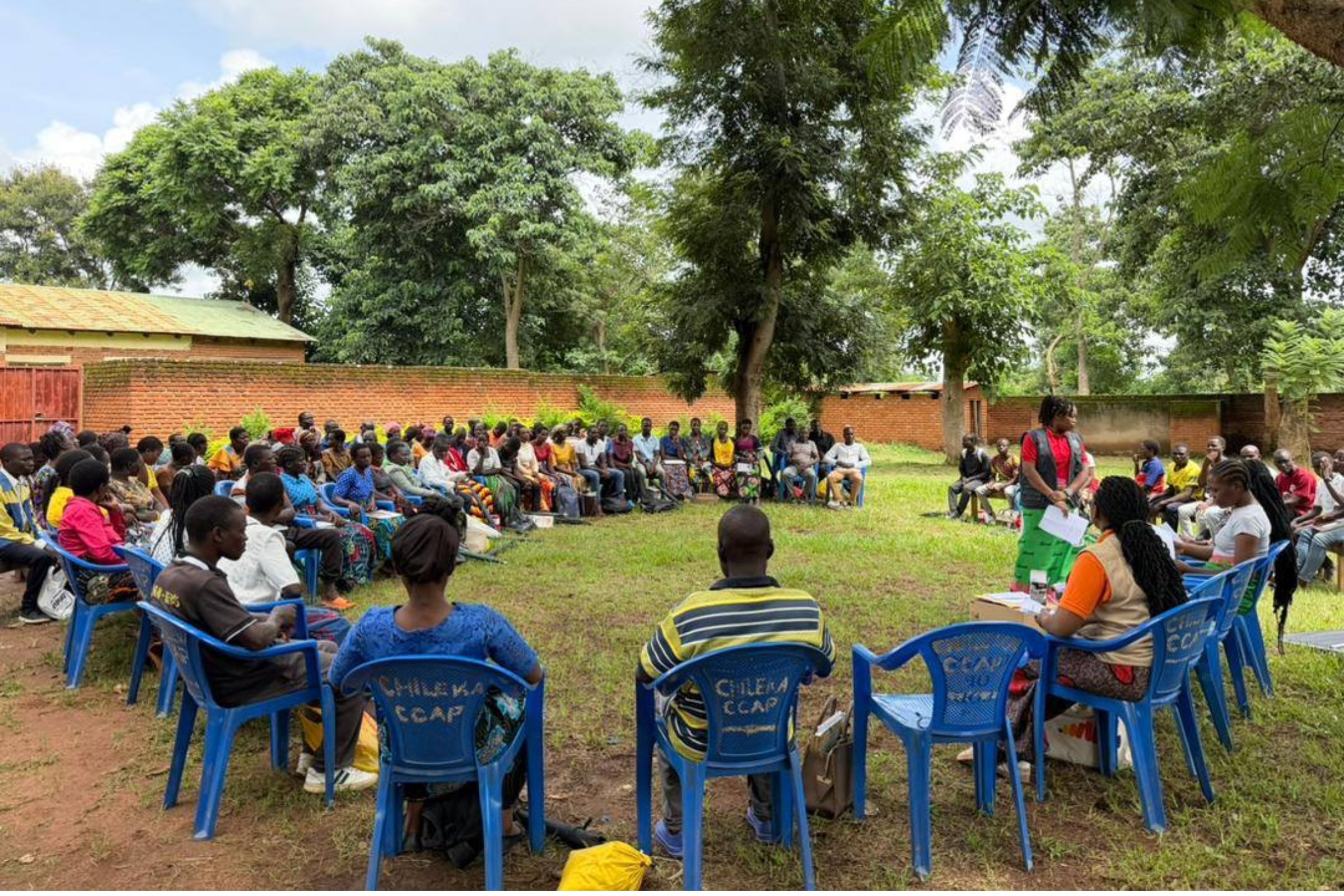
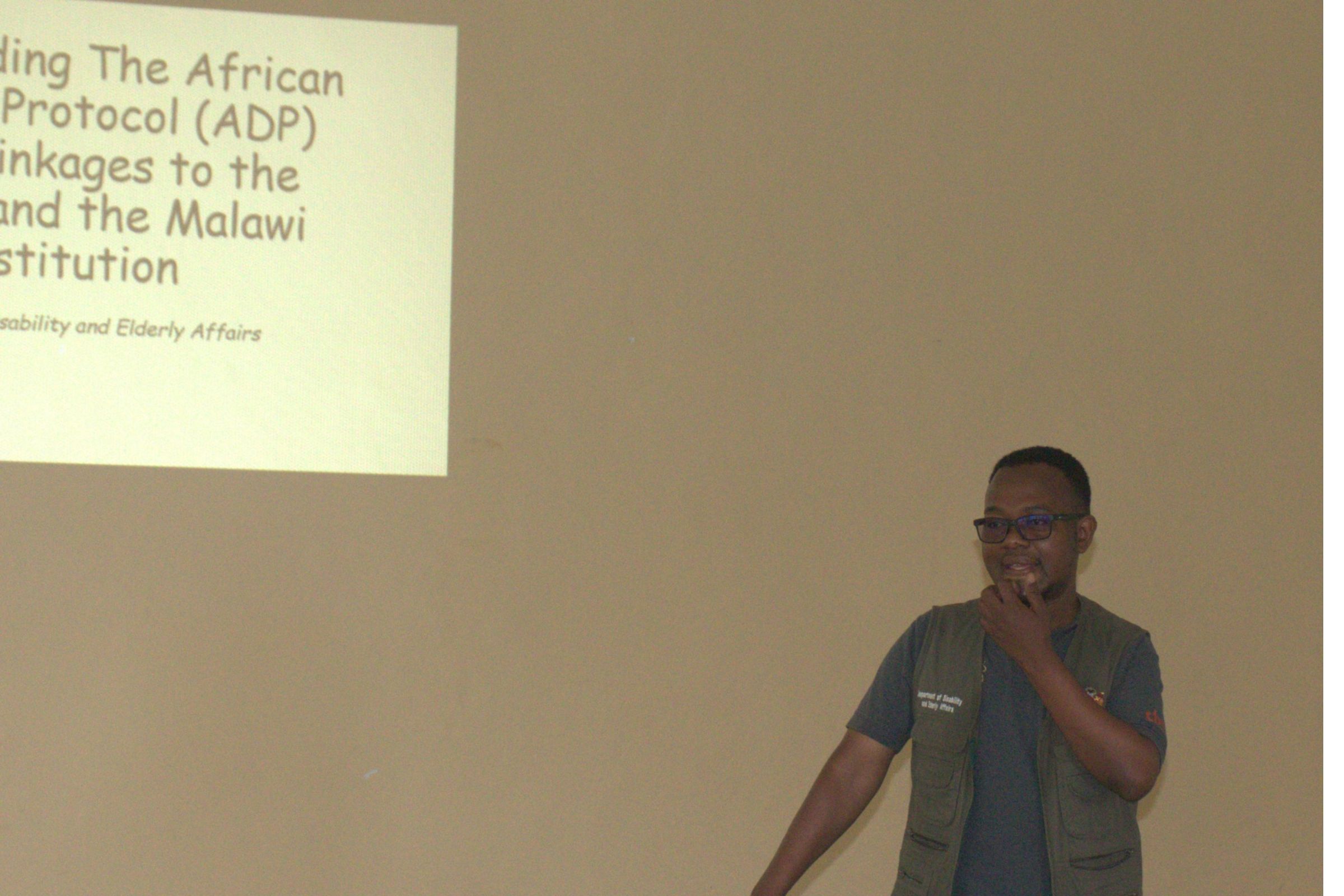
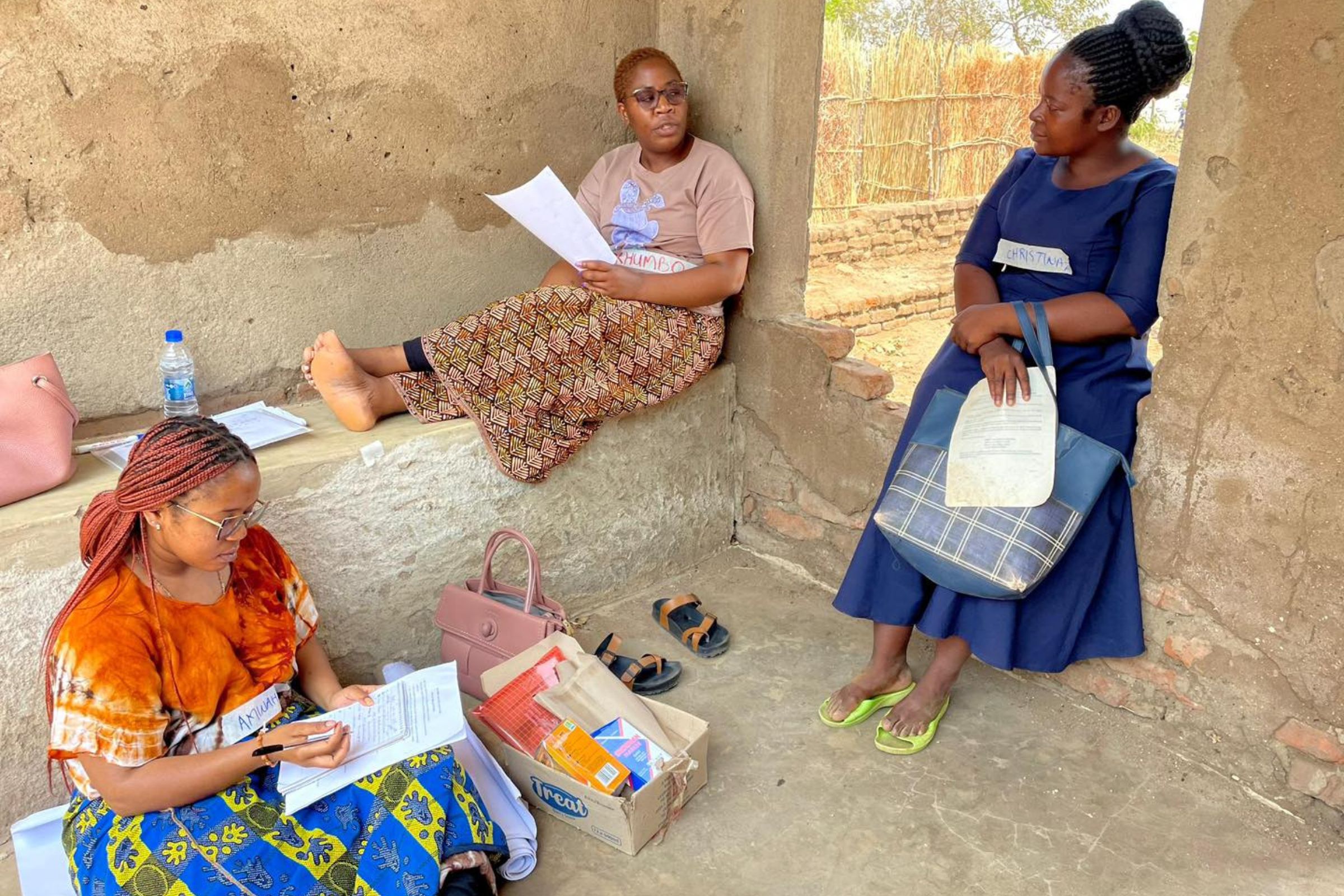
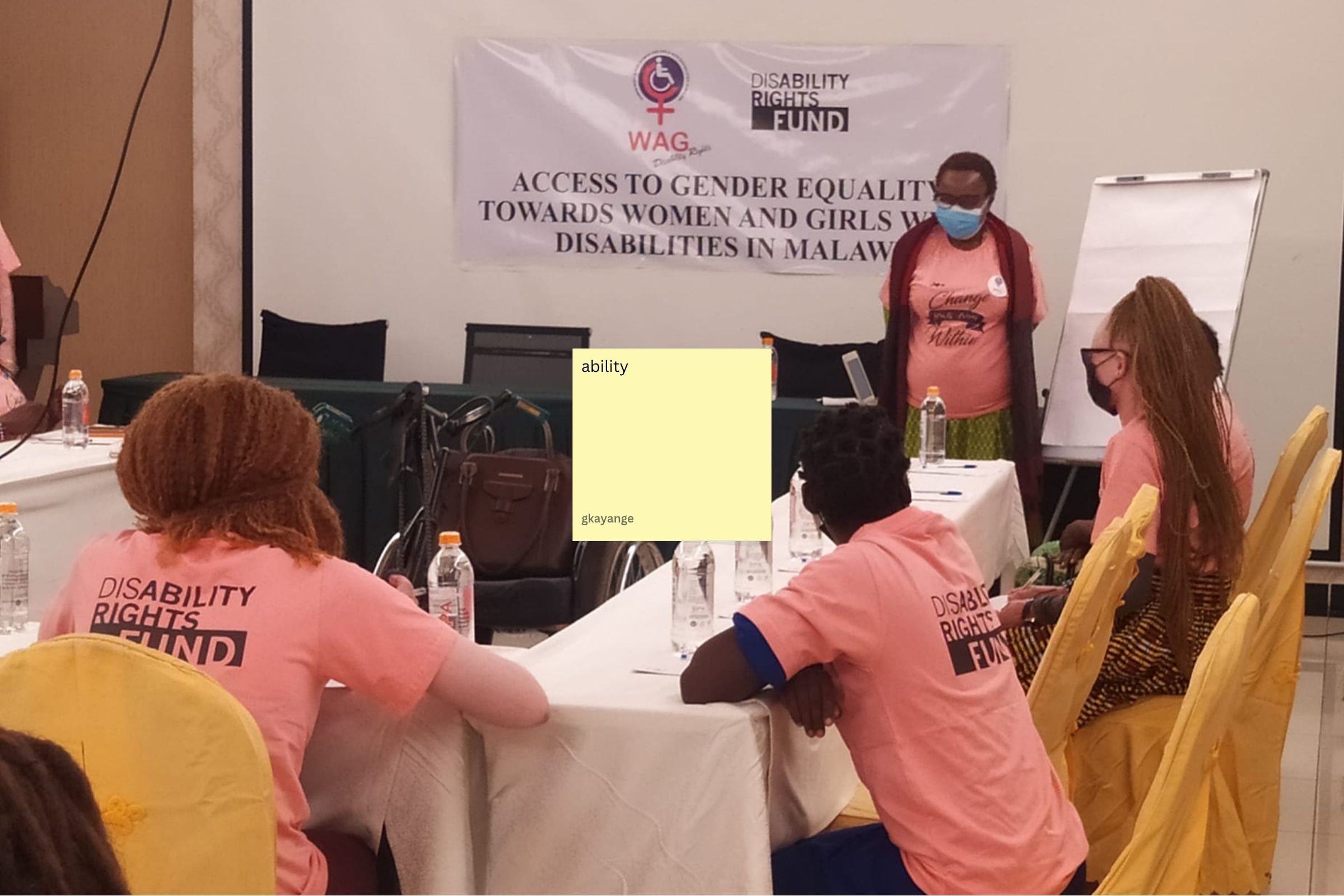
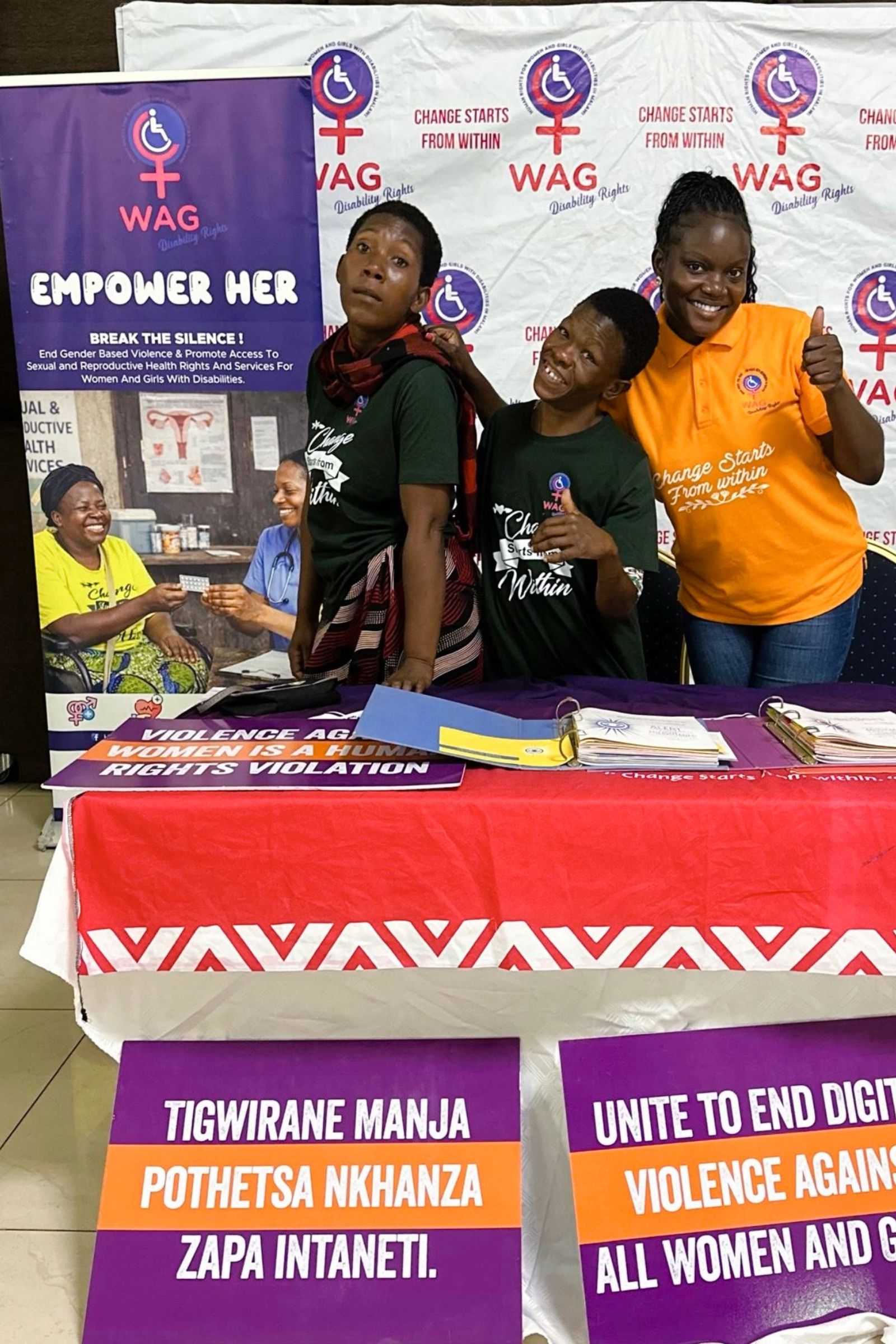
Through the EmpowerHer project, WAG trained 22 frontline service providers across its three implementation areas in Lilongwe in 2024. The training covered disability rights, sexual and reproductive health rights (SRHR), and gender-based violence (GBV).
The aim was not just knowledge transfer. It was attitude change. Participants were asked to examine their own assumptions about disability — about whether women with disabilities are seen as capable adults, as credible witnesses, as people with sexual health needs, and as survivors who deserve support.
Alongside EmpowerHer, the PKN project trained 350 frontline service providers on Gender Transformative Curriculum — a structured approach that challenges harmful social norms and builds more equitable practices into everyday service delivery.
What Changed
WAG’s 2024 reporting documents a clear shift among service providers who went through training.
Health workers showed more inclusive approaches in how they communicated with patients with disabilities — speaking to the woman herself, not just the person accompanying her. Police and child protection staff became more responsive to the specific needs of women with disabilities, particularly around reporting and follow-up.
Parents and caregivers — who are not service providers in a formal sense, but who act as gatekeepers to services — also showed measurable change. Many who previously held limiting views about their children’s participation in community life reported actively encouraging them to get involved. That shift at home matters as much as any change in a clinic or police station.
One of WAG’s project evaluations described this as a “transformation in duty bearers’ attitudes and service provision” — and identified it as one of the three most significant results of 2024.
Why Attitude Change Is Hard to Measure
It is worth being honest here. Attitude change is not easy to verify. A service provider can say the right things in a training room and behave differently when the training is over.
WAG monitors this through field visits, follow-up sessions, beneficiary feedback, and qualitative interviews. The evidence in 2024 came from multiple sources — not just what service providers reported about themselves, but what women with disabilities and their families said about their experiences at service points.
The picture that emerged was consistent: something had shifted. It was not universal, and it was not permanent without reinforcement. But it was real.
The Bigger Picture
Individual attitude change matters. But WAG’s goal is to go further — to institutionalise inclusive practices so that disability-friendly service delivery becomes the norm, not the result of a single training event.
That means continued advocacy for policy reforms. It means working with district health offices, police commands, and social welfare departments to embed disability inclusion into their standard procedures. It means making sure that when a new nurse joins a clinic, or a new officer joins a police unit, they receive training that covers disability rights as a basic requirement.
The 22 service providers trained through EmpowerHer in 2024 are a start. So are the 350 trained through PKN. The work continues in 2025 and beyond — not just to train more people, but to build systems that do not depend on WAG being in the room.
A Different Kind of Advocacy
Most people think of advocacy as protests, petitions, or policy submissions. WAG does those things too. But this quieter work — sitting with a nurse, a police officer, a community leader, and asking them to think differently — is also advocacy.
It happens one training session at a time. One conversation at a time. One changed interaction at a time.
And for the woman who walks into that clinic and finally gets the care she needs — it makes all the difference.
EmpowerHer is funded by Kynnys ry through Disability Partnership Finland. The PKN project is funded by the UK Government through the Foreign, Commonwealth & Development Office (FCDO).