About This Project
The Problem We Are Addressing
Women and girls with disabilities in Malawi face serious barriers to accessing SRHR services. Stigma, discrimination, inaccessible facilities, and harmful cultural norms all play a part. Many are also at high risk of GBV, with little access to justice or support.
Who the Project Works With
The project's right-holders are women and girls with disabilities in Kauma, Area 23, and Senti, Lilongwe. Duty-bearers include parents and guardians, local leaders, frontline service providers, government officials, organisations of persons with disabilities (OPDs), civil society organisations, and the media.
Training and Awareness
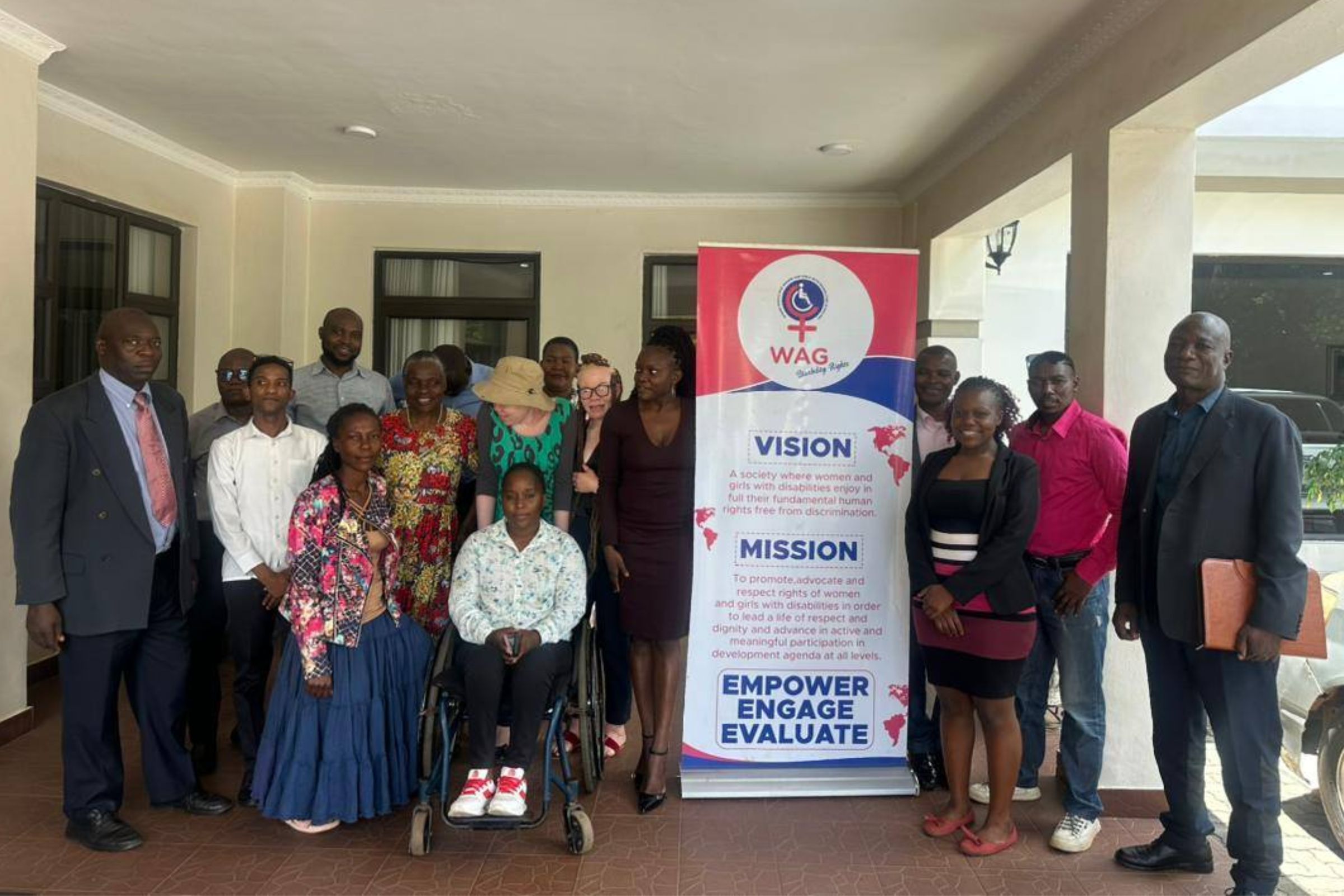
The project trains women and girls with disabilities, healthcare providers, police, the judiciary, parents, OPDs, and community leaders. Sessions cover disability rights, SRHR, and GBV. In 2024, two rounds of sensitisation meetings reached 157 participants across the three project areas.
Advocacy for Inclusive Policies
WAG works with local and national stakeholders to challenge laws and policies that discriminate against women and girls with disabilities. The project advocates for equal access to SRHR services and justice, and for disability inclusion across all government programmes.
Strengthening WAG as an Organisation
EmpowerHer has built WAG's internal capacity in disability rights, gender equality, financial management, and monitoring and evaluation. It has also increased WAG's visibility — expanding the organisation's reach through social media and stakeholder engagement.
Key Results in 2024
51 direct beneficiaries reached
Women and girls with disabilities were directly supported across the three project areas — 19 in Area 23, 17 in Kauma, and 15 in Senti.
22 frontline service providers trained
Healthcare workers, police, child protection officers, gender officers, and psychosocial counsellors received training on disability rights, SRHR, and GBV. Positive shifts in attitude and practice were observed.
Greater confidence among right-holders
Women and girls with disabilities reported increased self-esteem, stronger awareness of their rights, and greater willingness to report violations and seek justice.
Improved duty bearer attitudes
Parents, caregivers, and service providers who previously held limiting views about disability showed meaningful changes in how they support women and girls with disabilities in their communities.
Continuation confirmed for 2026–2029
Building on a strong first year, the project is set to continue — expanding outreach, deepening peer learning, and strengthening collaboration with healthcare providers and policymakers.