About This Project
What Is the African Disability Protocol?
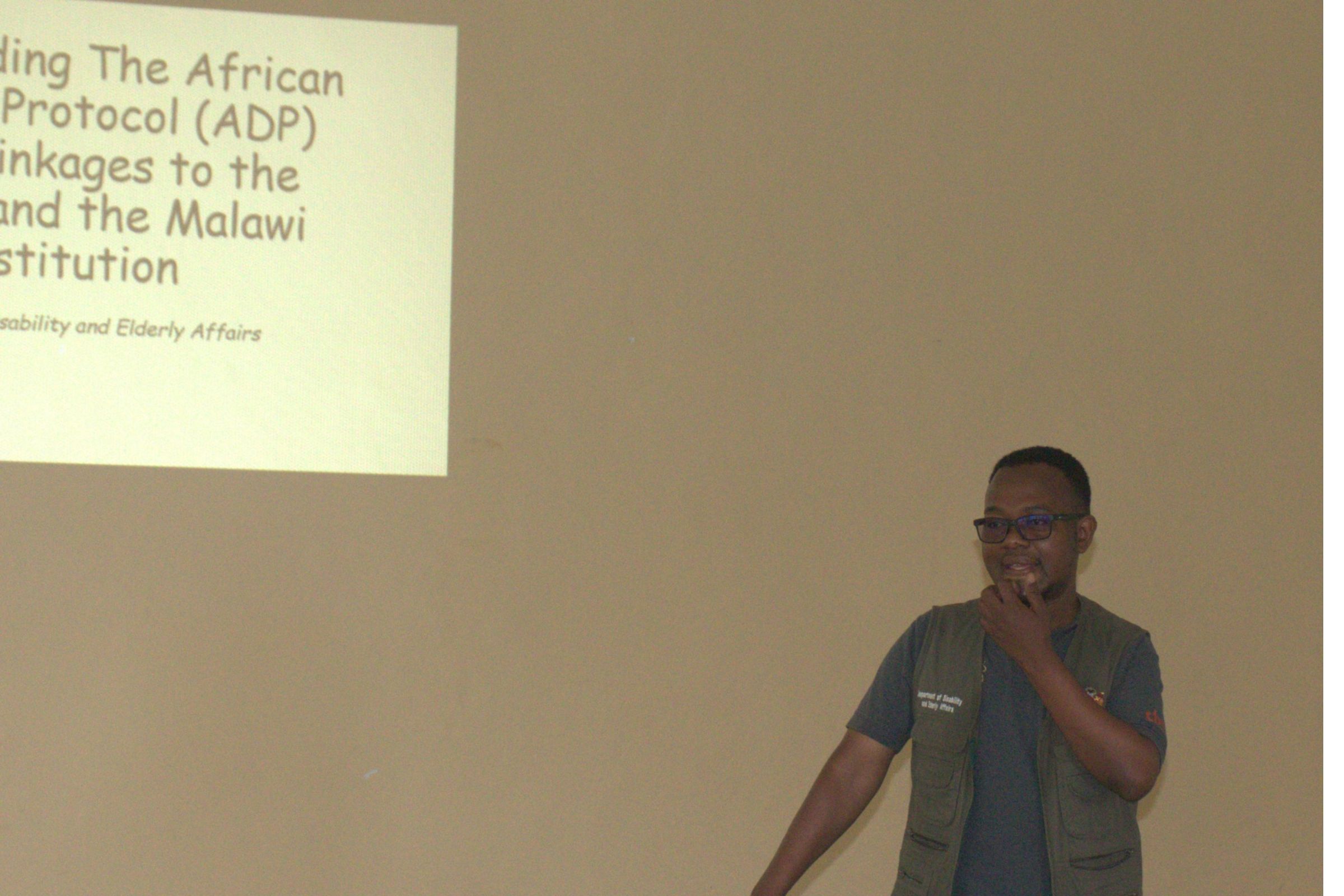
The African Disability Protocol (ADP) was adopted by the African Union in 2018. It is the first continental instrument specifically focused on the rights of persons with disabilities in Africa. It covers access to justice, health, education, work, and political participation. For it to have legal force, individual African Union member states must ratify and domesticate it into national law.
WAG's Role in Malawi
WAG is the lead implementing partner in Malawi. The project works across two districts — Dowa and Lilongwe — engaging government, civil society, organisations of persons with disabilities (OPDs), and community members. WAG's established relationships with duty bearers and its track record in disability rights advocacy make it well placed to lead this work.
Popularising the Protocol
A key part of the project is making the ADP widely known. Many people — including government officials and service providers — are unaware of it. UNITE-4-ADP runs awareness campaigns, community dialogues, and training sessions to change that. Accessible materials, including versions in local languages, are central to this outreach.
Advocating for Ratification and Implementation
Awareness alone is not enough. The project actively advocates for Malawi to ratify the ADP and align national laws and policies with its provisions. This includes engaging parliamentarians, policymakers, and legal bodies to create lasting, enforceable change for persons with disabilities.
A Regional Consortium Approach
UNITE-4-ADP is a partnership across three countries. Working alongside partners in Zambia and Zimbabwe allows for shared learning, coordinated regional advocacy, and stronger collective pressure on governments to act. Lessons from each country inform and strengthen the work in the others.
Why This Project Matters
Disability rights need legal backing
Good intentions are not enough. When the ADP is ratified and written into national law, persons with disabilities gain enforceable legal rights — not just goodwill from service providers and officials.
Women and girls with disabilities are most at risk
WAG brings a specific focus on the intersection of disability, gender, and vulnerability. The ADP explicitly recognises the compounded discrimination faced by women and girls with disabilities, and WAG ensures this lens runs through all project activities in Malawi.
Change must start at community level
Legal reform at national level only works when communities understand and demand their rights. UNITE-4-ADP invests in grassroots awareness so that the people the protocol is designed to protect are at the centre of the process.
Regional pressure strengthens national action
When Malawi, Zambia, and Zimbabwe are all pushing in the same direction, it creates stronger momentum for change. Regional solidarity makes it harder for individual governments to delay action.
WAG's advocacy experience is directly relevant
This project draws on WAG's years of experience engaging duty bearers, building community awareness, and advocating for policy reform. It represents a natural step up — from national to continental disability rights work.