Social protection exists to support people who are most at risk. In Malawi, that includes persons with disabilities — yet disability is often an afterthought in how social protection is designed and delivered.
WAG Disability Rights is working to change that. Not just through direct services, but by getting into the policy rooms where decisions are made.
The Workshop
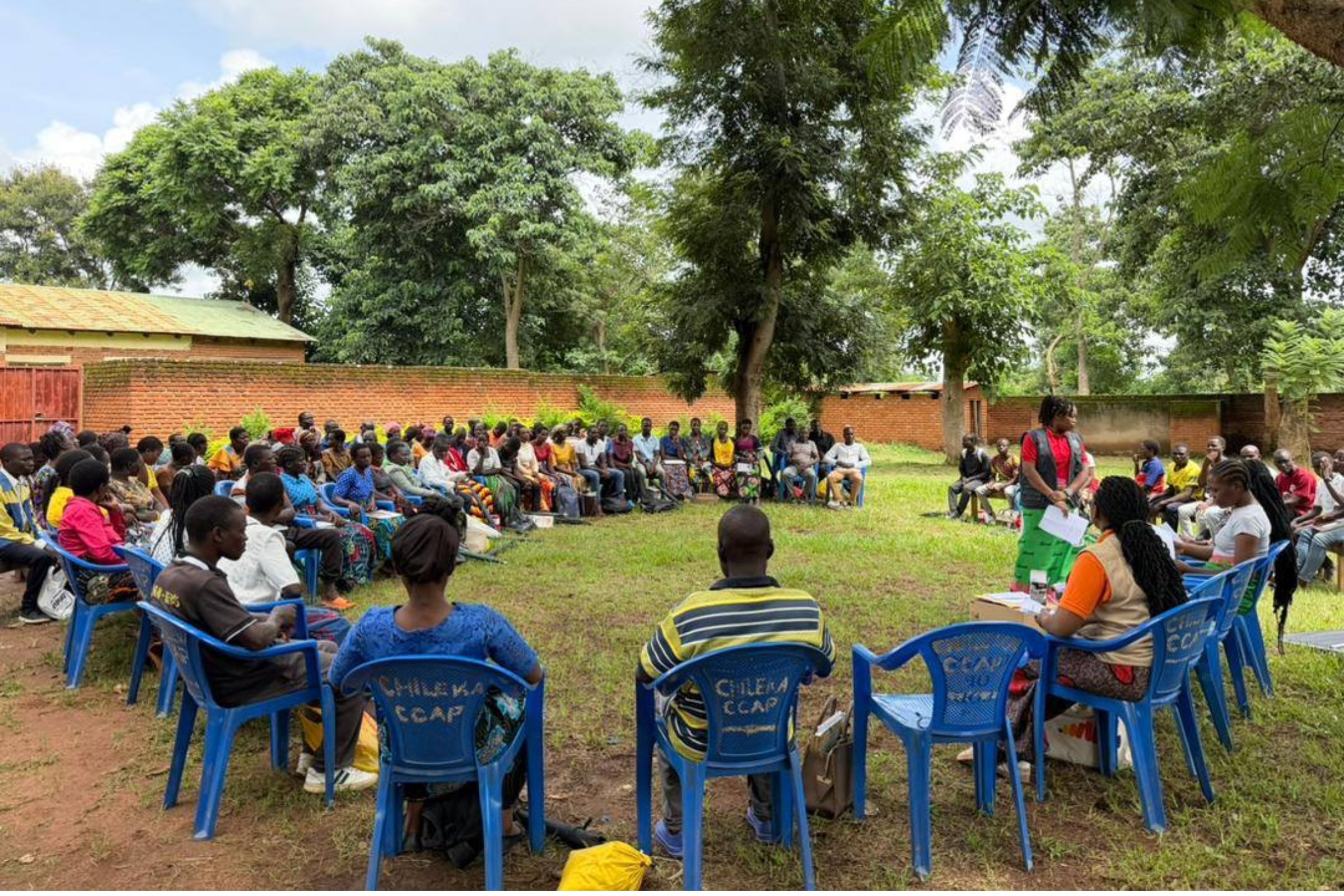
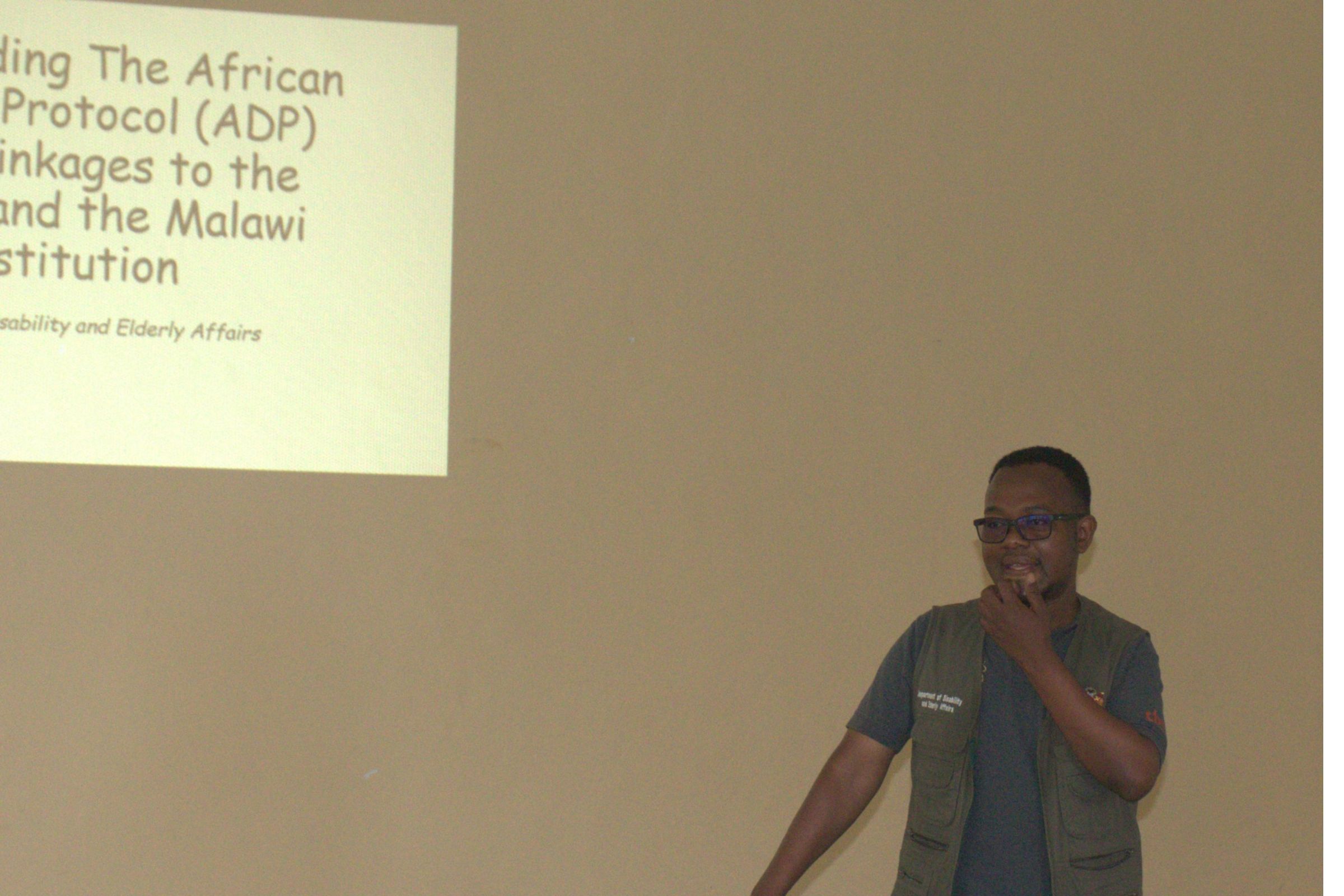
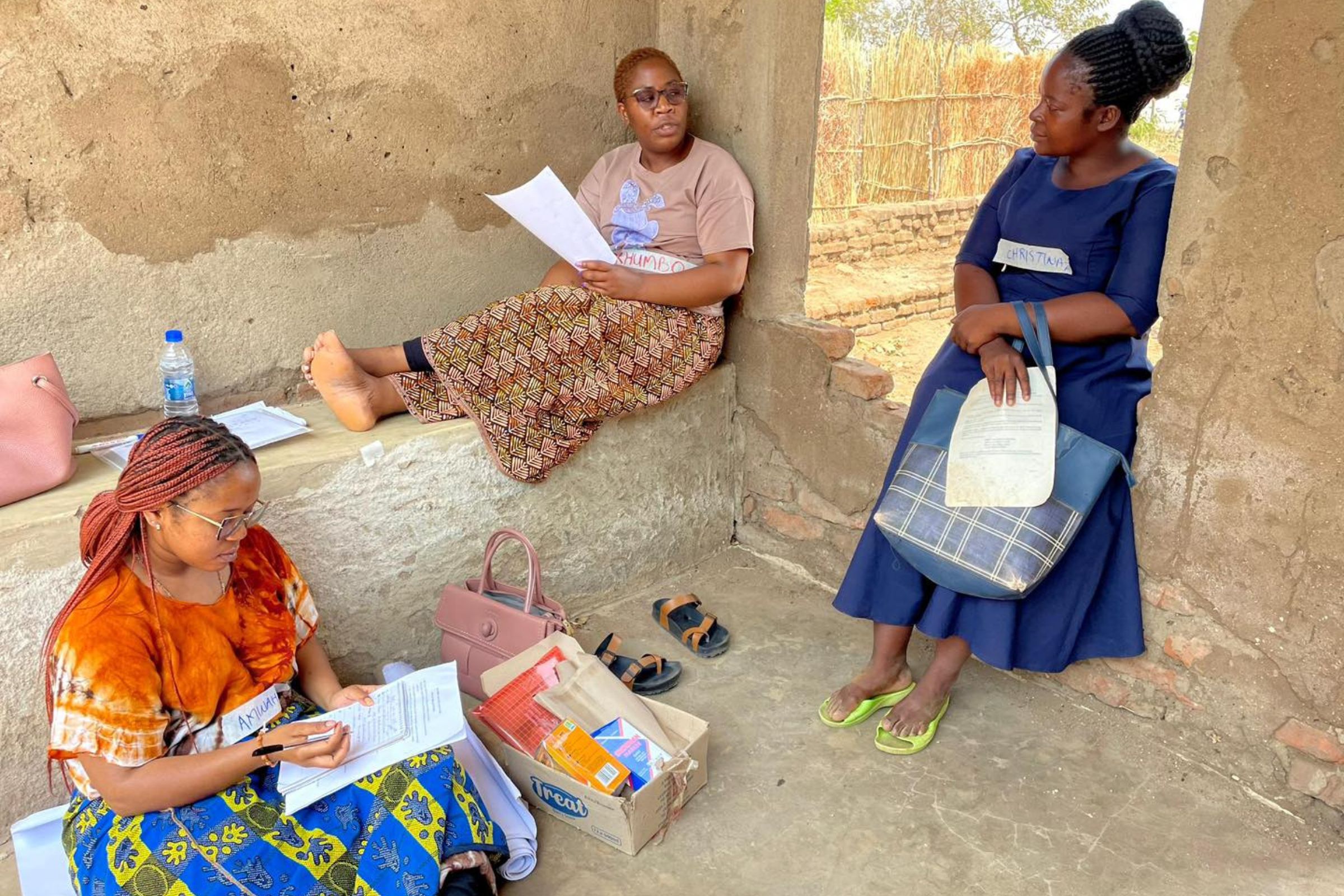
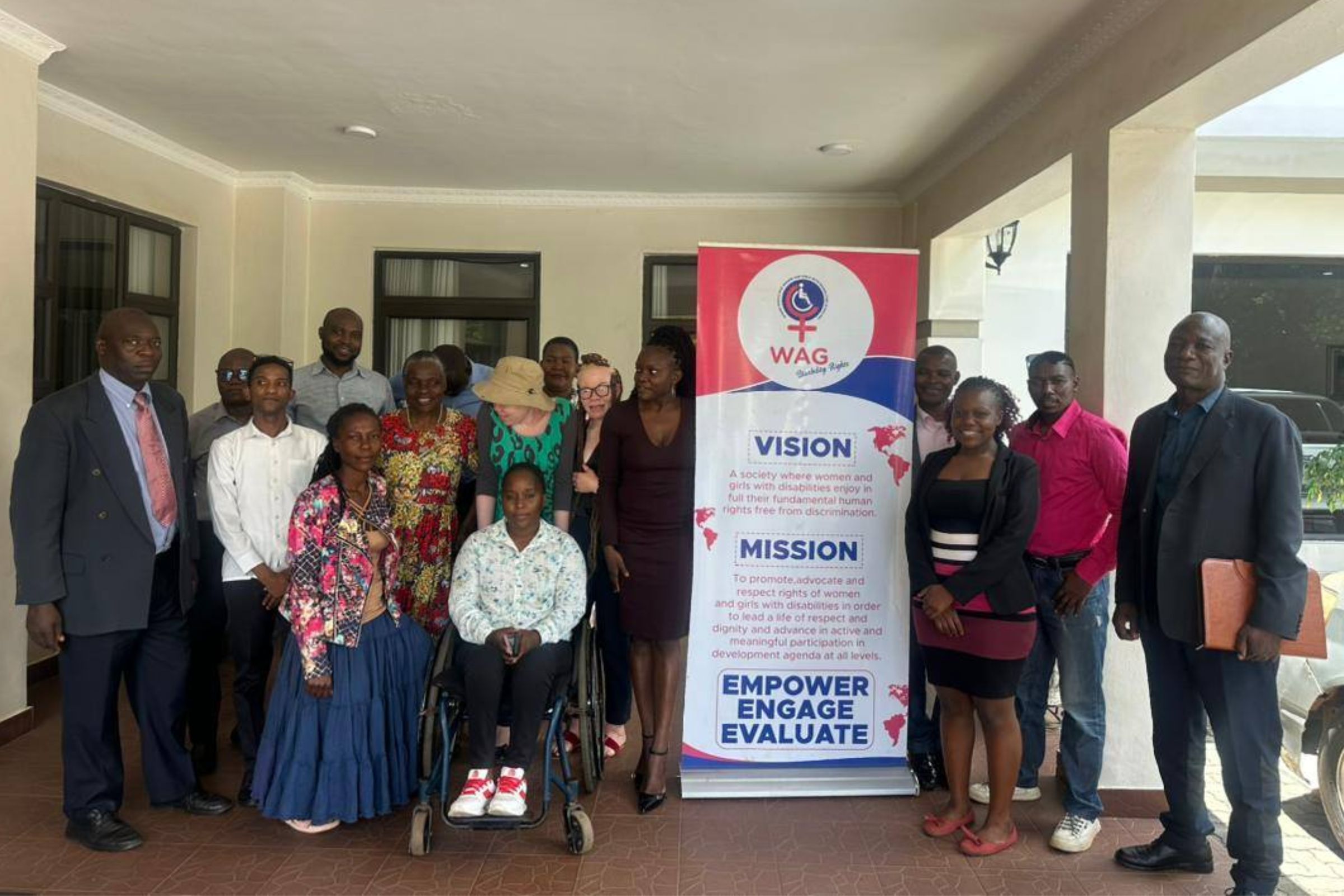
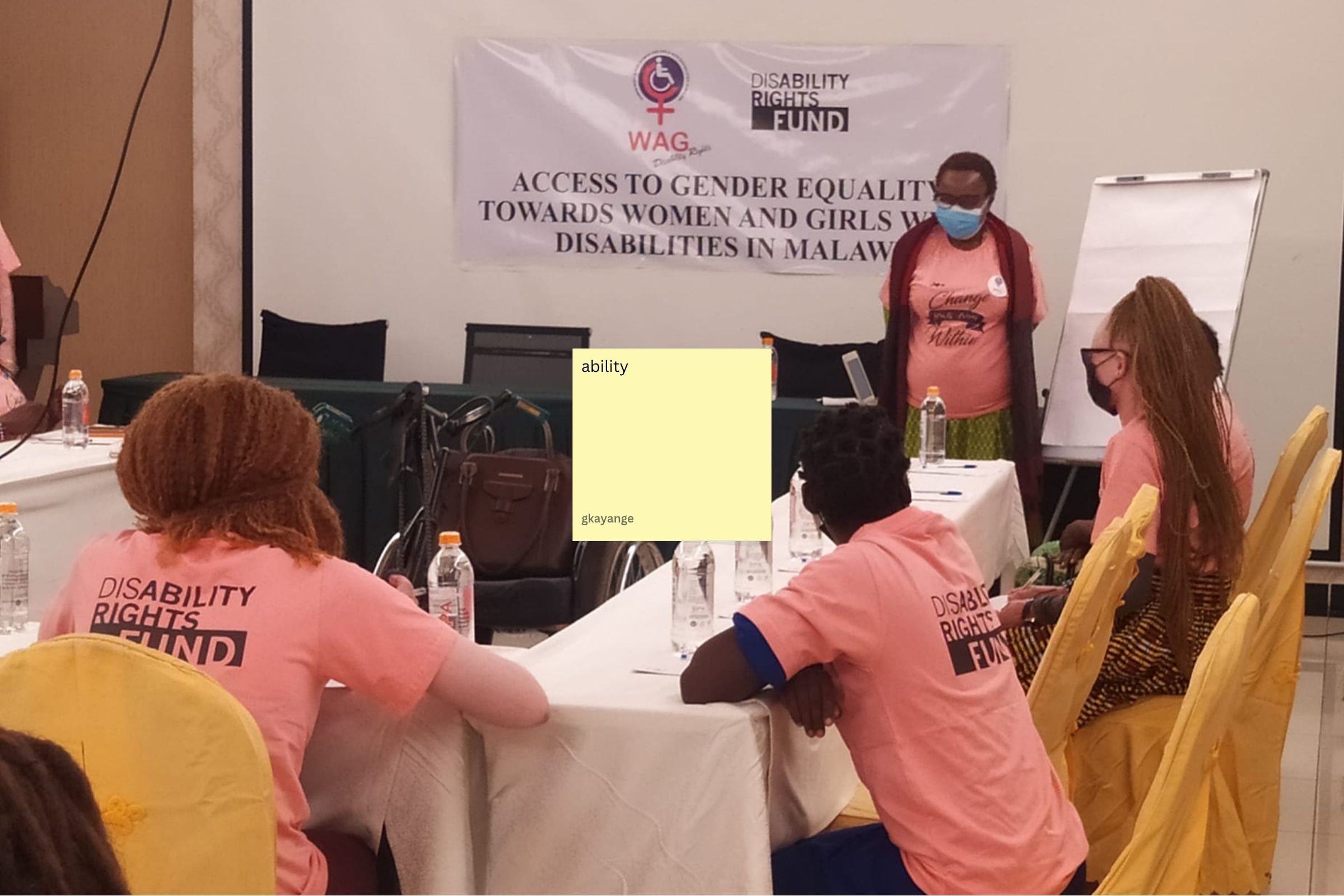
With support from the Disability Rights Fund, WAG facilitated a national dissemination workshop on Malawi’s National Social Protection Policy. The event brought together representatives from government, civil society organisations, and the disability movement.
The aim was not to present the policy and leave. It was to unpack what the policy actually says, examine where it falls short for persons with disabilities, and build shared commitment to implementing it in ways that leave no one behind.
Participants discussed what inclusive social protection looks like in practice — what it means for a woman with a disability in a rural community to access the same support as anyone else, and what currently stops that from happening.
[Note for Stella: please add the date, location, and approximate number of participants for this workshop. Also confirm whether any specific commitments or follow-up actions came out of it.]
Why Social Protection Matters for Women with Disabilities
Social protection covers a wide range of support — cash transfers, food assistance, health insurance, and livelihood programmes. In Malawi, these systems are a lifeline for many families living in poverty.
But persons with disabilities — and women with disabilities in particular — face specific barriers to accessing them. These include:
- Physical barriers at registration and distribution points.
- Forms and processes that assume literacy or a level of mobility not everyone has.
- Gatekeeping by family members or community leaders who control whether a woman registers at all.
- A lack of disability-disaggregated data, which means planners often do not know how many people with disabilities are being reached — or missed.
For women with disabilities, these barriers compound. They are more likely to be poor, more likely to face violence, and less likely to be connected to formal support systems than either men with disabilities or women without disabilities.
A social protection policy that does not explicitly account for this is not a universal policy. It is one that excludes by default.
WAG’s Broader Policy Advocacy
This workshop is part of a longer pattern of policy engagement by WAG.
WAG’s 2023–2028 strategic plan makes advocacy a core pillar. Its goals include increasing accountability from duty bearers on disability rights, strengthening the justice system for women with disabilities, and raising the profile of disability issues at both national and council level.
In 2024, WAG contributed to that agenda through multiple channels. The PKN project submitted a position paper and held regional consultation meetings for the Women’s Manifesto. WAG staff participated in legal and policy review discussions under NGO-GCN and disability networks. The organisation’s Executive Director, Stella Nkhonya, serves on the Citizen Engagement Committee monitoring World Bank-funded projects across Malawi — ensuring disability inclusion stays on the agenda in national development processes.
Taken together, these efforts reflect a deliberate strategy. WAG is not waiting to be consulted. It is showing up, contributing evidence, and making sure the voices of women and girls with disabilities are heard where it matters.
From Policy to Practice
Policies are only as good as their implementation. A well-written national framework means little if the health worker, social welfare officer, or local council official responsible for delivery has never considered what disability-inclusive practice looks like.
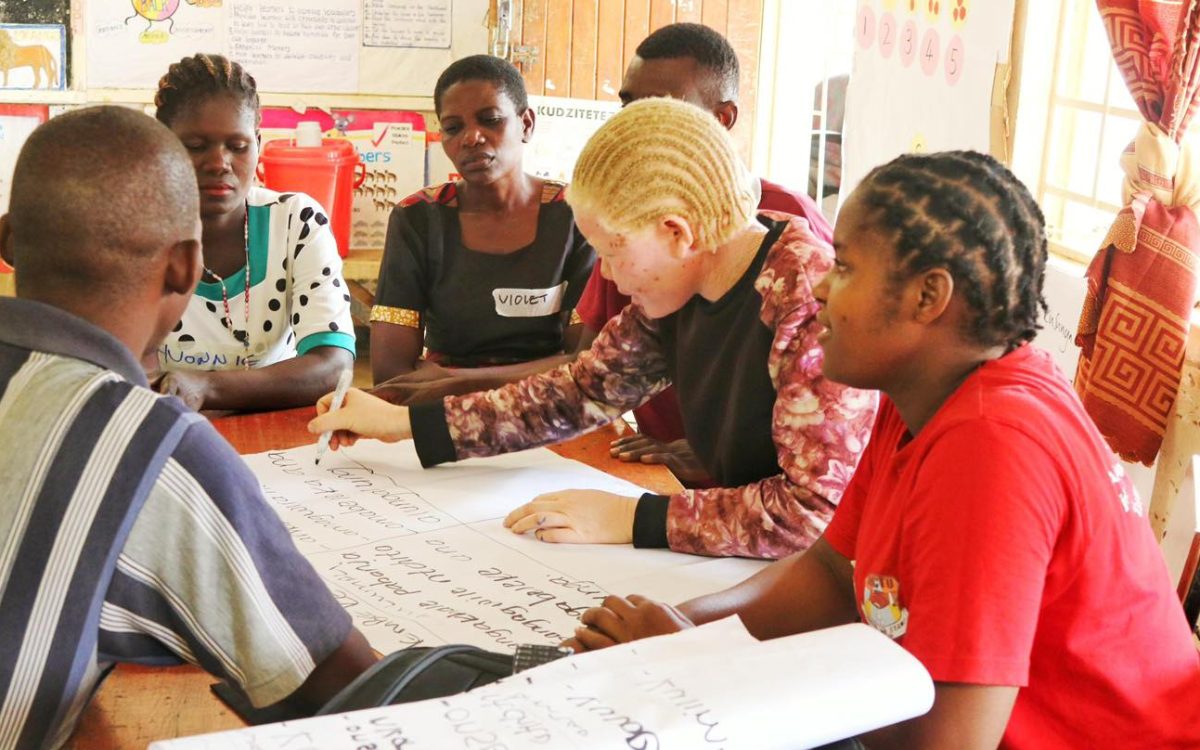
That is why WAG’s advocacy work connects directly to its training and capacity-building programmes. The frontline service providers trained through EmpowerHer and PKN are the same people who will — or will not — deliver social protection fairly to women with disabilities in their communities.
Changing policy and changing practice have to happen together. WAG works on both.
What Needs to Happen Next
The national dissemination workshop was one step. For Malawi’s Social Protection Policy to genuinely include persons with disabilities, several things need to follow:
- Disability inclusion must be written into implementation guidelines — not left as an aspiration in a preamble.
- Data collection must disaggregate by disability, so progress can be tracked.
- Complaints and feedback mechanisms must be accessible to people with different types of disability.
- Civil society organisations like WAG must be part of ongoing monitoring — not just consulted at the design stage.
WAG will continue to push for all of these. The Disability Rights Fund workshop was part of building the momentum to make it happen.
This work was supported by the Disability Rights Fund. WAG Disability Rights is a Malawian NGO based in Lilongwe, working to promote and protect the rights of women and girls with disabilities.